

Featured on
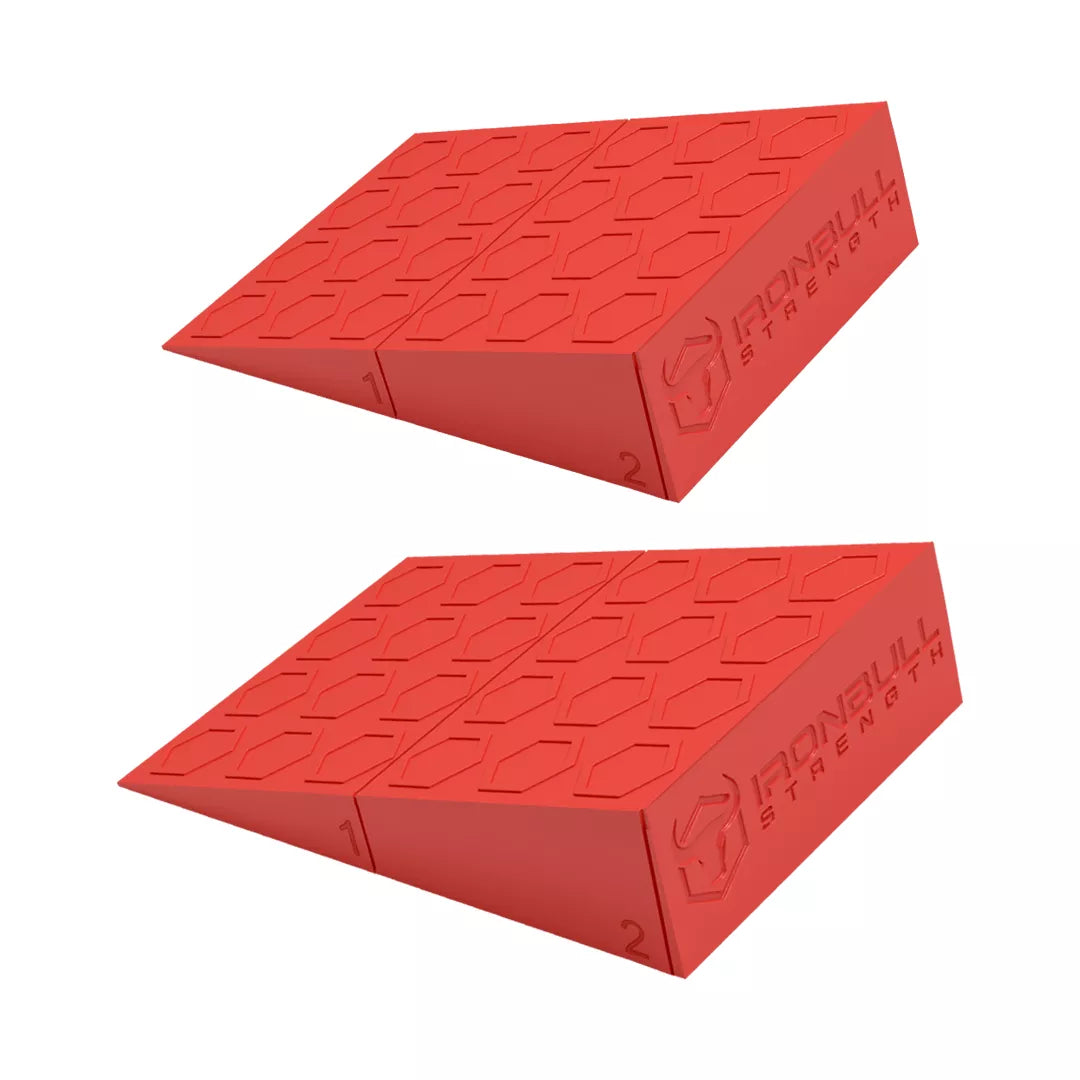
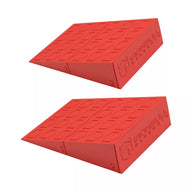
Squat Wedge
15° Heel Elevation for Deeper Squats
Regular price
$95
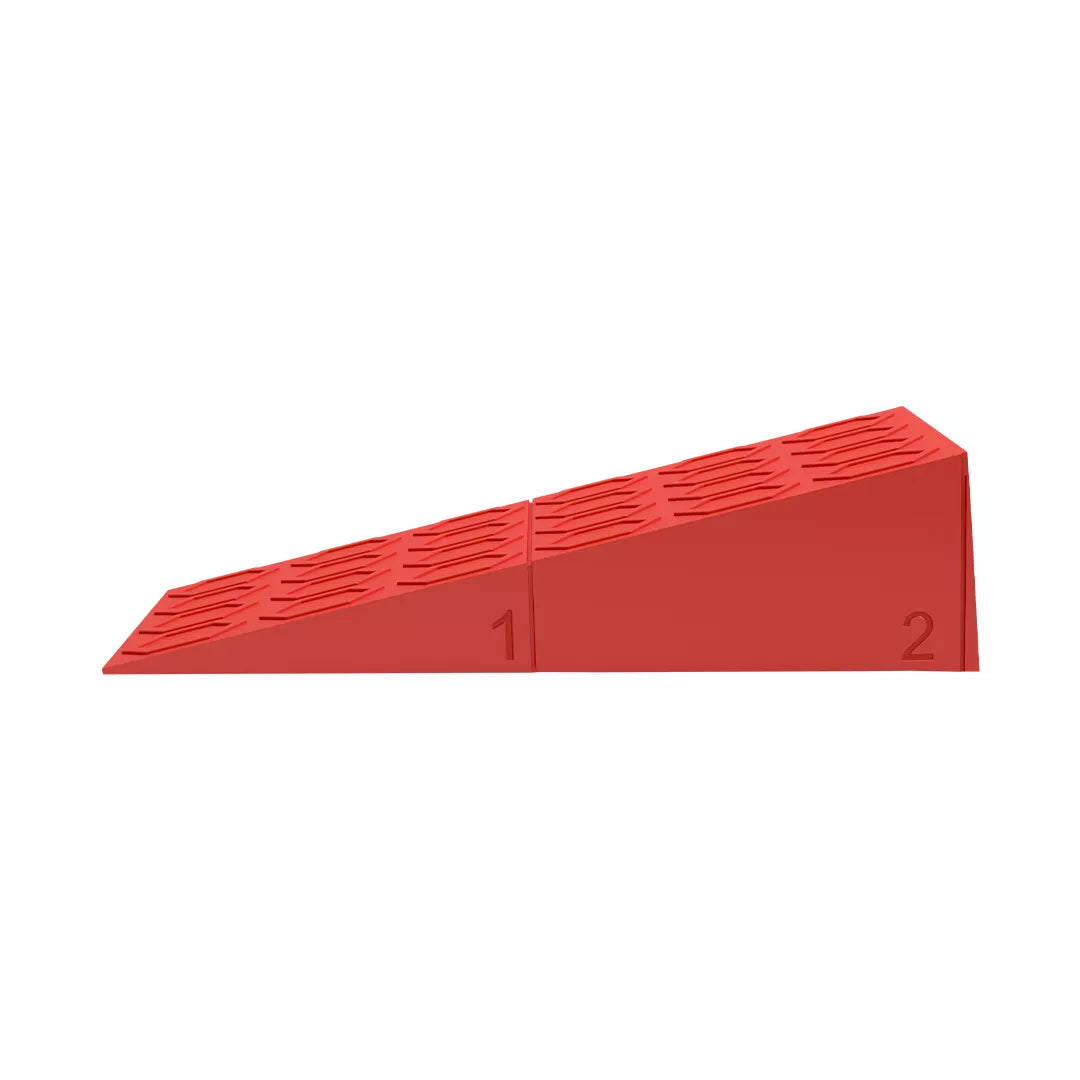
- 15° incline — about 15° less ankle dorsiflexion needed to reach the same depth
- More upright torso — more forward knee travel means less trunk inclination, even with long femurs
- Quad-dominant squats — a longer moment arm at the knee puts more of the work on your quads
- Non-compressing rubber — high-density rubber holds the same angle from warm-up to top set
- Try Risk-Free for 45 Days
- Free Returns
- Money back guarantee
Last Minute Deals
Squat Wedge
Regular price
$95
Iron Bull Strength
Squat Wedge






Ankle mobility and anthropometry
Your squat is set by
joint angles and limb lengths.
-
01
Restricted dorsiflexion
Limited ankle dorsiflexion caps how far your shin can travel forward. Once it's maxed out, depth has to come from somewhere else: your heels rise, your feet pronate and your knees cave, or your hips flex further and your lumbar spine rounds. Heel elevation bypasses the restriction mechanically, so you can train full-depth squats while you keep working on ankle range.
-
02
Long femurs, short torso
Your segment lengths set your squat mechanics. With long femurs relative to your torso, your hips have to travel further back to keep the center of mass over mid-foot, which forces more trunk inclination. Increasing knee travel reduces that hip displacement, so long-legged lifters can squat with a more vertical torso instead of fighting their proportions.
-
03
Non-compressing, high-density rubber
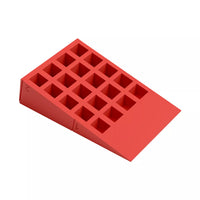
A soft surface absorbs force and lets your foot shift under load. High-density rubber keeps the 15° angle consistent from your first warm-up set to your heaviest, with a textured surface for grip. 1.1 lb per wedge.
Flat vs. plates vs. wedge
Same lift.
Different joint angles.
| Feature | Flat floor | Plates under heels | Squat Wedge |
|---|---|---|---|
| Dorsiflexion required | Full range | Reduced, varies | About 15° less, consistent |
| Trunk inclination | Greatest | Reduced | Reduced |
| Load emphasis | More hip-dominant | More knee-dominant | More knee-dominant |
| Foot contact | Full foot | Heels on a narrow edge | Full foot on the incline |
| Heel height | None | Varies by plate | 1" or 2", marked |
General effects of heel elevation. How much each changes depends on your anthropometry.

Squat Deeper With Better Mechanics.
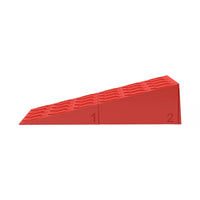
Our squat wedges raise your heels on a 15° incline, reducing the ankle dorsiflexion a deep squat demands by about 15°. With more forward knee travel available, your hips don't have to shift as far back, your torso stays more vertical, and more of the work moves to your quads.
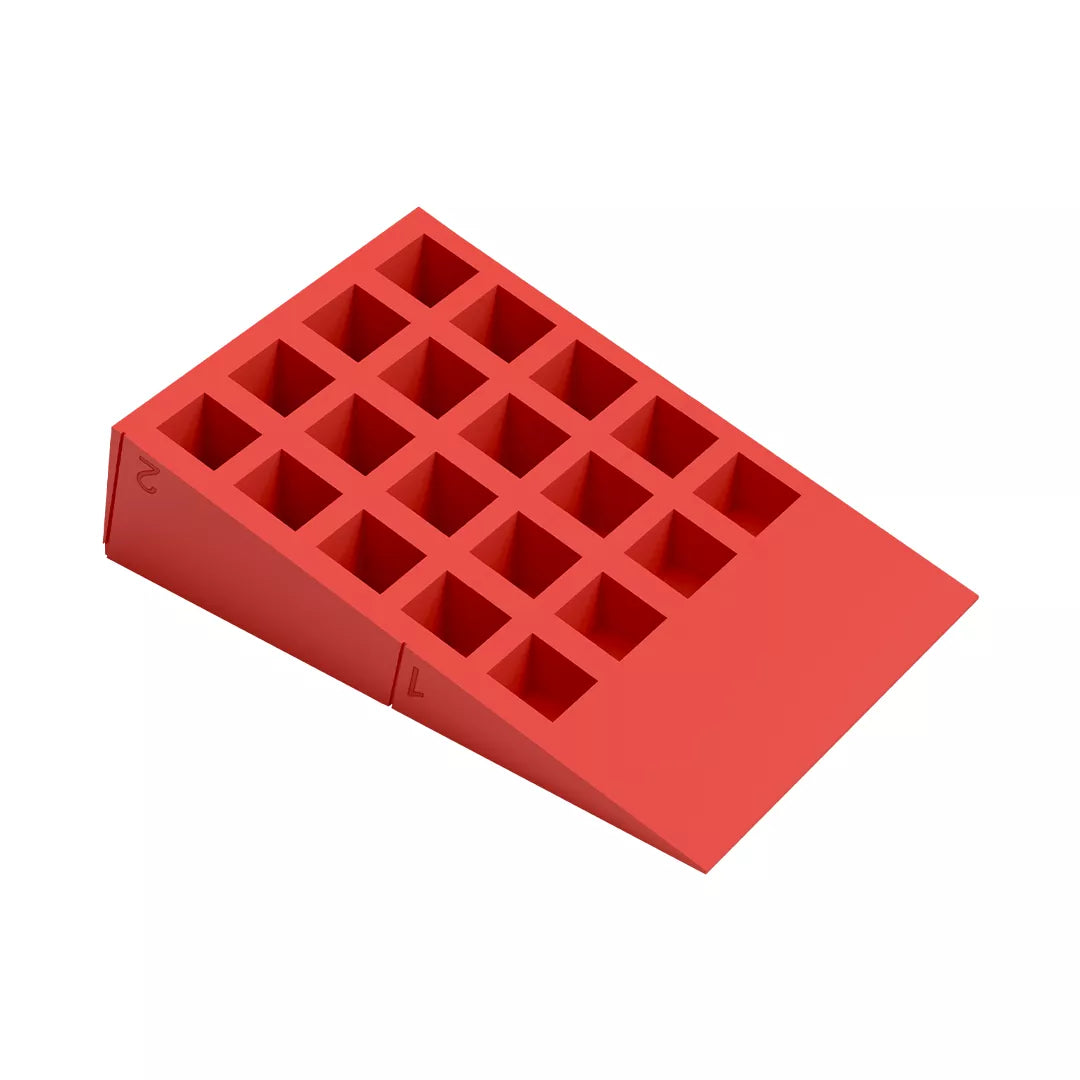
Made from high-density rubber that won't compress under load, with grooves marking 1" and 2" of heel elevation so you can set the same position every session.
Who It's For:
Our squat wedges are built for anyone who:
- Loses depth to limited ankle dorsiflexion: heels rising, knees caving or the lower back rounding at the bottom
- Has long femurs relative to their torso and gets forced into excessive trunk inclination
- Trains heel-elevated squat variations for quad hypertrophy
- Wants to test heel elevation before investing in weightlifting shoes
- Is tired of balancing on plates or a 2x4 under their heels
MaterialHigh-Density Rubber
Length8in
Width5in
Height2in
Incline15°
MarksNumbered at every 1-inch interval
Weight1.1lb Each
Sold inPairs
What lifters are saying
Deeper squats,
in their own words.
Love my new squat wedges. My wife who has bad ankle mobility is able to go parallel deep now on her squats. I am able to get a better foot position and push off much better than using plates or 2x4. Highly recommend.
Benjamin B.
These are great to get my clients squatting better ranges more easily right away. These wedges are perfect to pop in a gym bag. Light and durable. The single wedge really allows a lot of diverse use for different exercises. Definitely recommend
Travis B.
Unedited customer reviews.