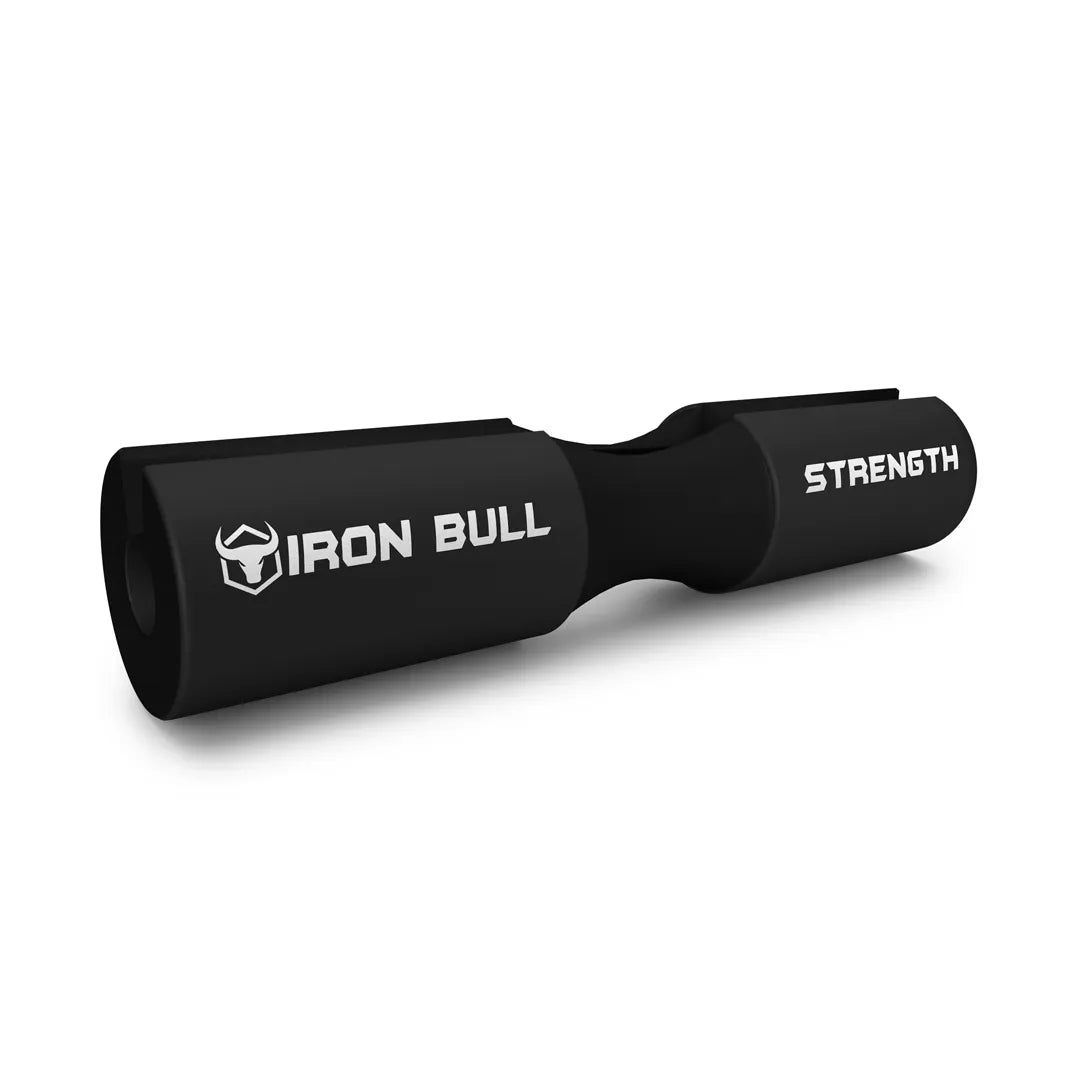
The Barbell Pad Built for Squats, Hip Thrusts, and Lunges
Bar discomfort is one of the most common reasons lifters cut a set short before their legs or glutes actually give out. A thin, hard bar digging into your traps on a heavy back squat, or biting into your hip bones on a hip thrust, forces you to rack the weight before your target muscles are actually done working. Our Advanced Barbell Pad exists to remove that limiter.
Where most barbell pads use a sleeve you have to thread down the length of the bar — awkward with collars or plates already loaded — ours uses a clip-on design. Clip it on right where you need it, unclip it when you're done, and move straight into your next exercise without wrestling with the bar.
Barbell Pad for Hip Thrusts
Hip thrusts put your body weight and the bar directly across the crease of your hips — one of the least padded parts of your frame. The Advanced Barbell Pad's extra-thick cushioning spreads that load across a wider surface, so you can focus on driving your hips up instead of bracing against pain.
Barbell Pad for Squats and Lunges
On high-bar or front-loaded squat variations and walking lunges, the same pad protects your neck and traps from a bar that only gets less comfortable as the weight climbs. Pair it with a lifting belt for bracing and knee sleeves for joint support, and you've got your squat day covered from bar to knee.
Building a Complete Squat and Hip Thrust Setup
A barbell pad solves one specific problem — bar discomfort — and it's most effective as part of a full setup rather than on its own.
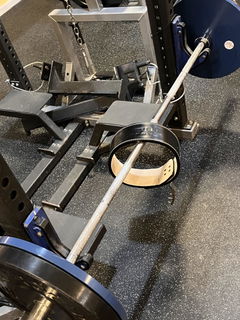
Lifting Belt: Once you're squatting or hip thrusting above roughly 70–80% of your max, a lever belt gives your core something to brace against, protecting your lower back under near-maximal load.
Knee Sleeves: For squats specifically, knee sleeves add compression and warmth that can take pressure off the joint on heavier or higher-rep days.
Wrist Wraps: If your training day pairs squats with any front-rack or overhead work, wrist wraps round out the support gear for the rest of your session.
Not sure how to structure your squat day around this gear? Our guide on mastering the back squat covers setup, common mistakes, and programming.
What are barbell pads used for?
Barbell pads are used for squats, hip thrusts, and lunges — anywhere the bar presses directly against your neck, shoulders, or hip bones. A good pad spreads that pressure out so you can focus on form and load instead of bar discomfort.
How do barbell pads attach to the bar?
It depends on the design. Our clip-on pads attach right where you need them and unclip when you're done — no sliding a sleeve down a loaded bar or fighting it off between exercises. Check the individual product page for the exact attachment method.
Can I use the same barbell pad for both squats and hip thrusts?
Yes — our barbell pads are built thick enough to cushion your neck and traps on squats and your hip bones on hip thrusts, so one pad covers both movements without needing separate squat and hip thrust pads.
What colors and sizes do barbell pads come in?
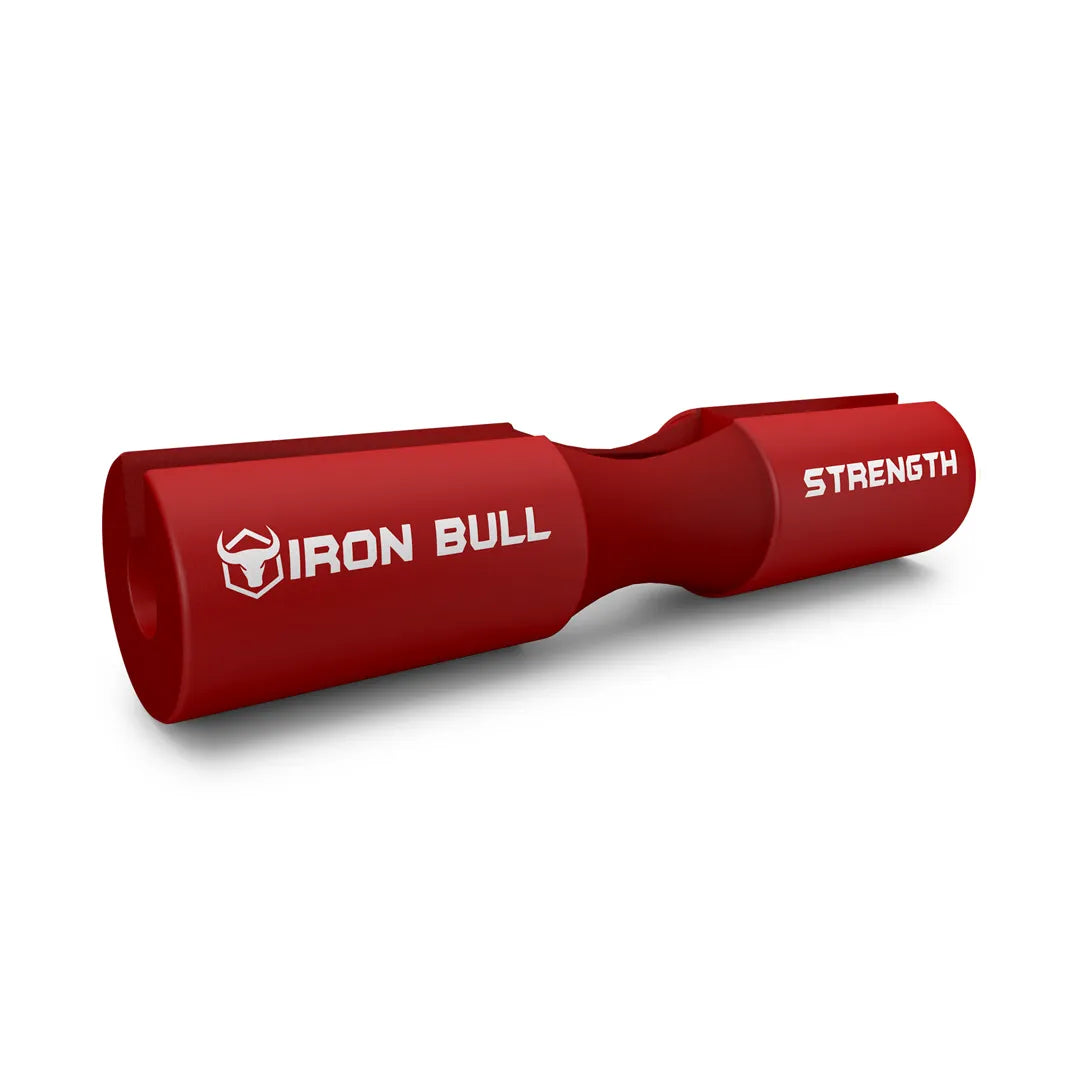
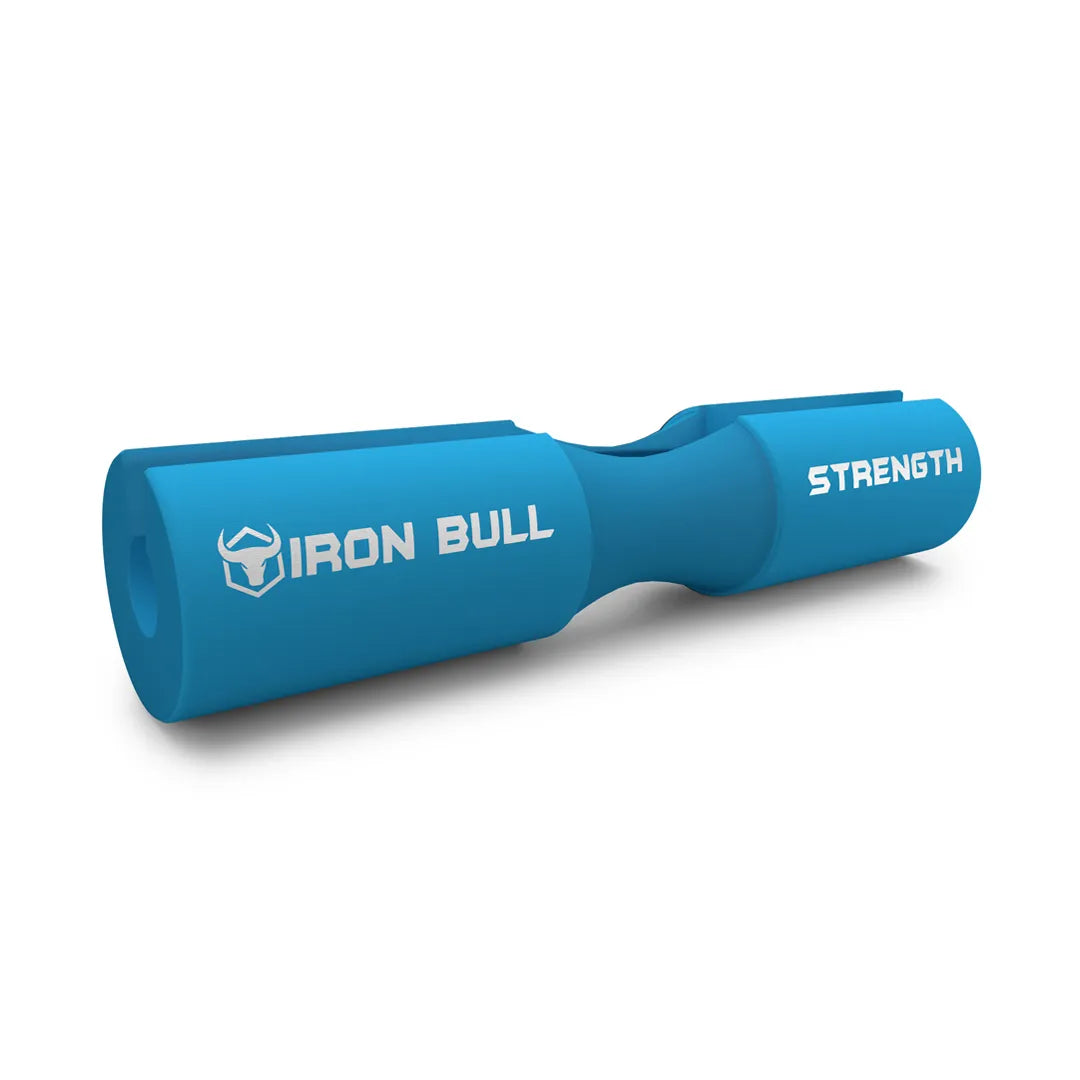
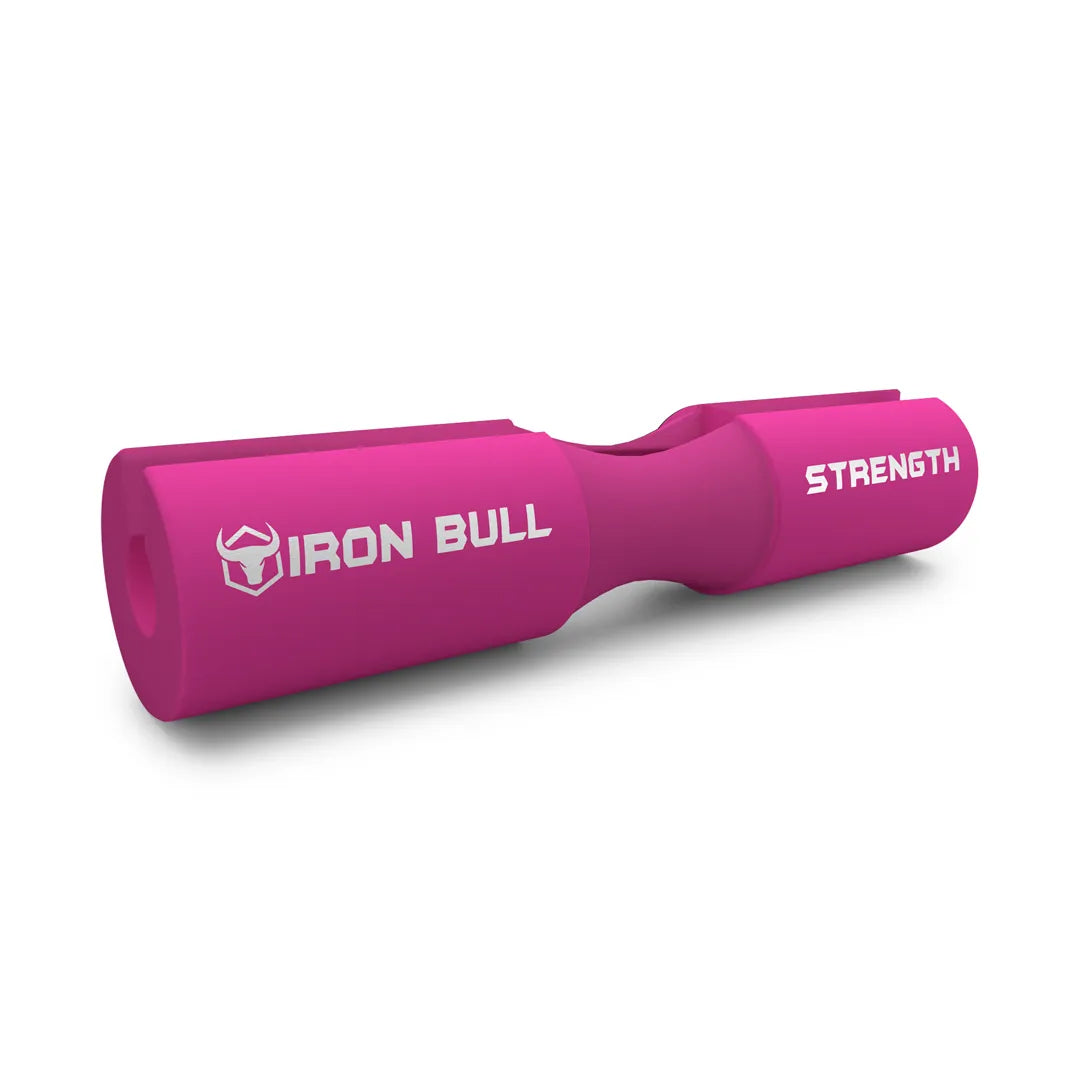
Color options and fit vary by pad — check the individual product page for the full lineup available for that model. Most of our barbell pads use a universal fit that clips onto any standard barbell.
Will a barbell pad stay in place during heavy sets?
Our clip-on pads lock onto the bar so they stay put through your working sets instead of sliding around like a loose sleeve can. Attachment method and hold can vary between models, so check the specific product page for details.
How do I clean my barbell pad?
For most of our pads, wiping down with a damp cloth after sweaty sessions and letting it air dry is enough. Avoid machine washing, which can break down padding faster than regular spot-cleaning — check your specific product's care notes if you're unsure.
Complete Your Squat Day Setup