
Can A Weightlifting Belt Reduce The Risk Of Low Back Injury?
 Zaakir Shakoor
 6 min read
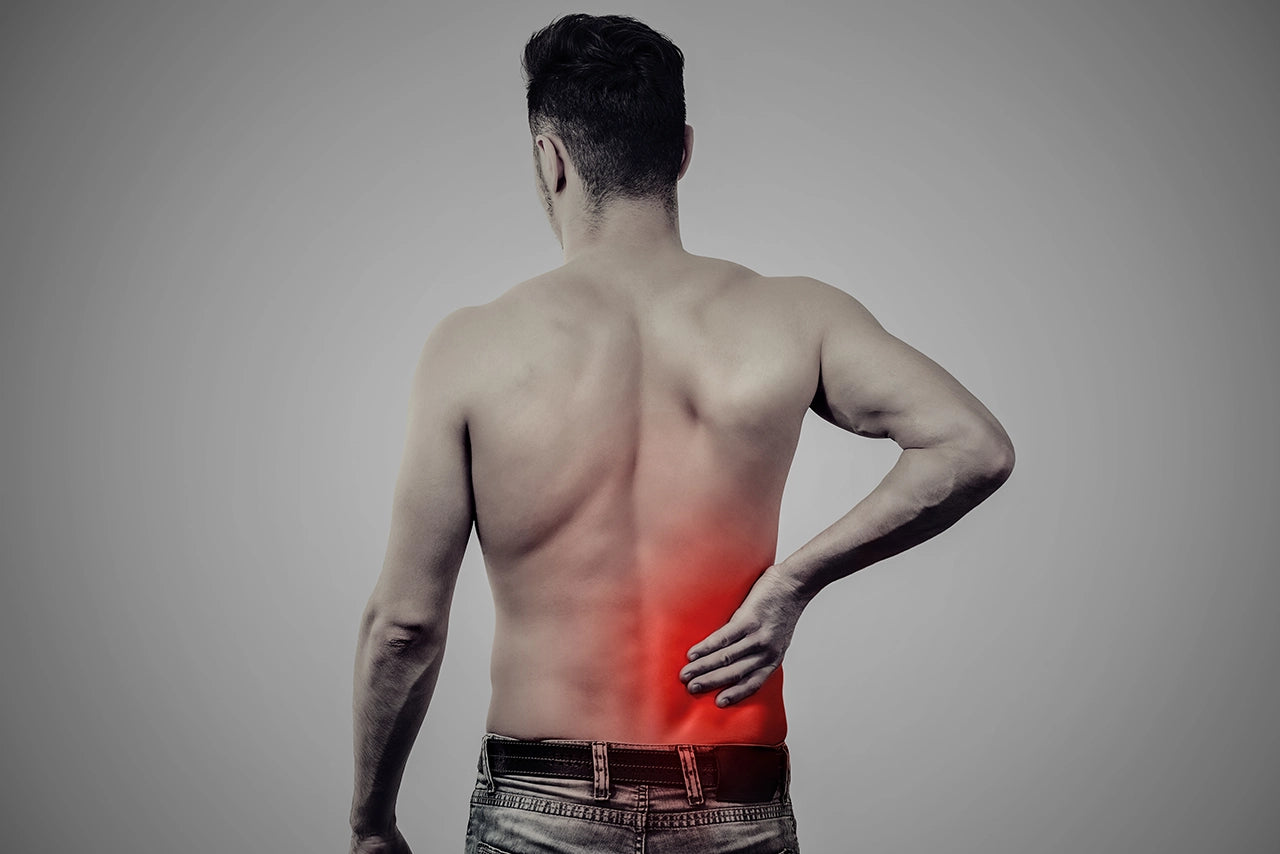

Low back injuries are one of the most common reasons lifters get sidelined from training. If you squat or deadlift heavy, you've probably wondered whether a weightlifting belt actually lowers your risk — or if it's just a piece of gear that looks the part. Here's what the evidence actually shows.
How a Belt Reduces Load on the Low Back
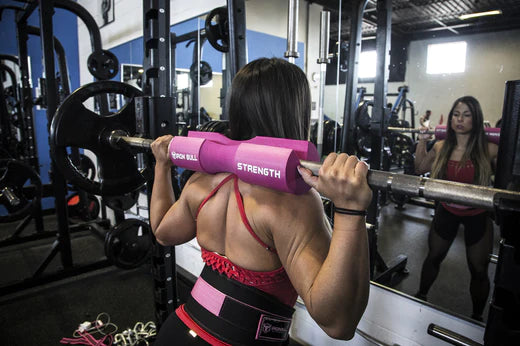
A weightlifting belt doesn't hold your spine in place like a brace or support cast. Instead, it gives your core something firm to push against. When you take a deep breath into your belly and brace outward, the belt pushes back, which raises the pressure inside your abdomen — what's called intra-abdominal pressure.
That pressure acts like an internal support system for your spine. It reduces how much your lower back has to work to stay stable under a heavy bar, which lowers the compression and shear forces on your vertebrae and discs. Research on this shows belted lifting produces measurably lower spinal loading than the same lift performed without a belt. For the full breakdown of the mechanism, see what a lifting belt actually does.
Where the Injury Risk Actually Drops
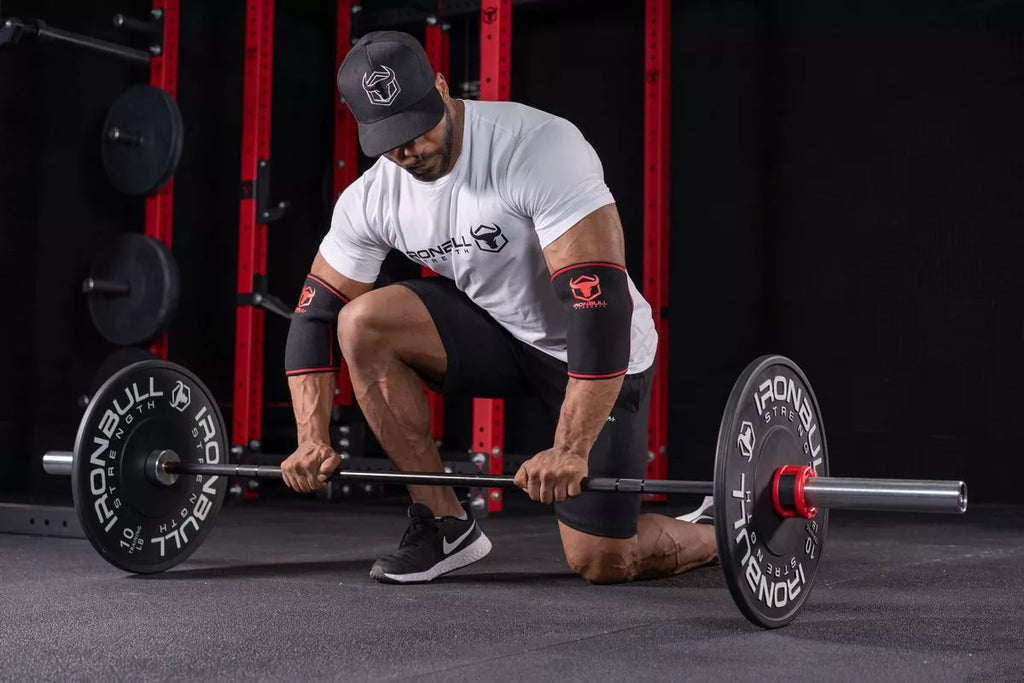
The biggest risk reduction shows up during the parts of a lift where your spine is under the most stress — the bottom of a squat, and the initial pull of a deadlift off the floor. These are the points where a rounding or shifting lower back is most likely to cause a strain or disc injury. A properly braced belt helps keep your spine in a stronger, more neutral position exactly when it matters most.
What a Belt Doesn't Do
A belt is not a substitute for good technique. If your form breaks down — your back rounds, your hips shoot up early, or you're lifting well beyond what your technique can handle — a belt won't prevent an injury. It reduces mechanical stress on a well-executed lift; it doesn't fix a poorly executed one.
A belt also doesn't build core strength on its own. If you wear it for every set, including light warm-ups, you can end up leaning on it instead of developing the bracing strength that protects your back in the first place. The lifters who get the most protective benefit are the ones who train beltless most of the time and add the belt specifically for heavy, near-maximal sets.
Who Benefits Most
Lifters training at or above 80% of their one-rep max on squats and deadlifts see the clearest reduction in spinal loading from a belt. If you've had a previous lower back strain, a belt can offer extra support on heavy days — but if you're managing an ongoing back condition or injury, talk to a doctor or physical therapist before adding heavy loading back into your training, belt or not.
Frequently Asked Questions
Does a weightlifting belt actually prevent back injuries?
It reduces mechanical risk by lowering spinal compression and shear forces during heavy lifts. It doesn't make injury impossible — poor form, overloading, or bad programming can still cause injury regardless of whether you're wearing a belt.
Can a belt fix bad lifting form?
No. A belt supports a technically sound lift; it doesn't correct a breakdown in form. If your back rounds under load, focus on fixing the movement pattern before adding heavier weight, belted or not.
Should I wear a belt if I already have lower back pain?
A belt may offer added support on heavy sets, but existing back pain or injury should be evaluated by a doctor or physical therapist first, especially before returning to heavy squatting or deadlifting.
Do I need a belt for every set to protect my back?
No. Save it for your heaviest working sets, generally at or above 80% of your one-rep max. Training beltless the rest of the time keeps your core strength developing, which is its own layer of protection.