Weightlifting Belts

Lifting Belts for Squats, Deadlifts & Powerlifting

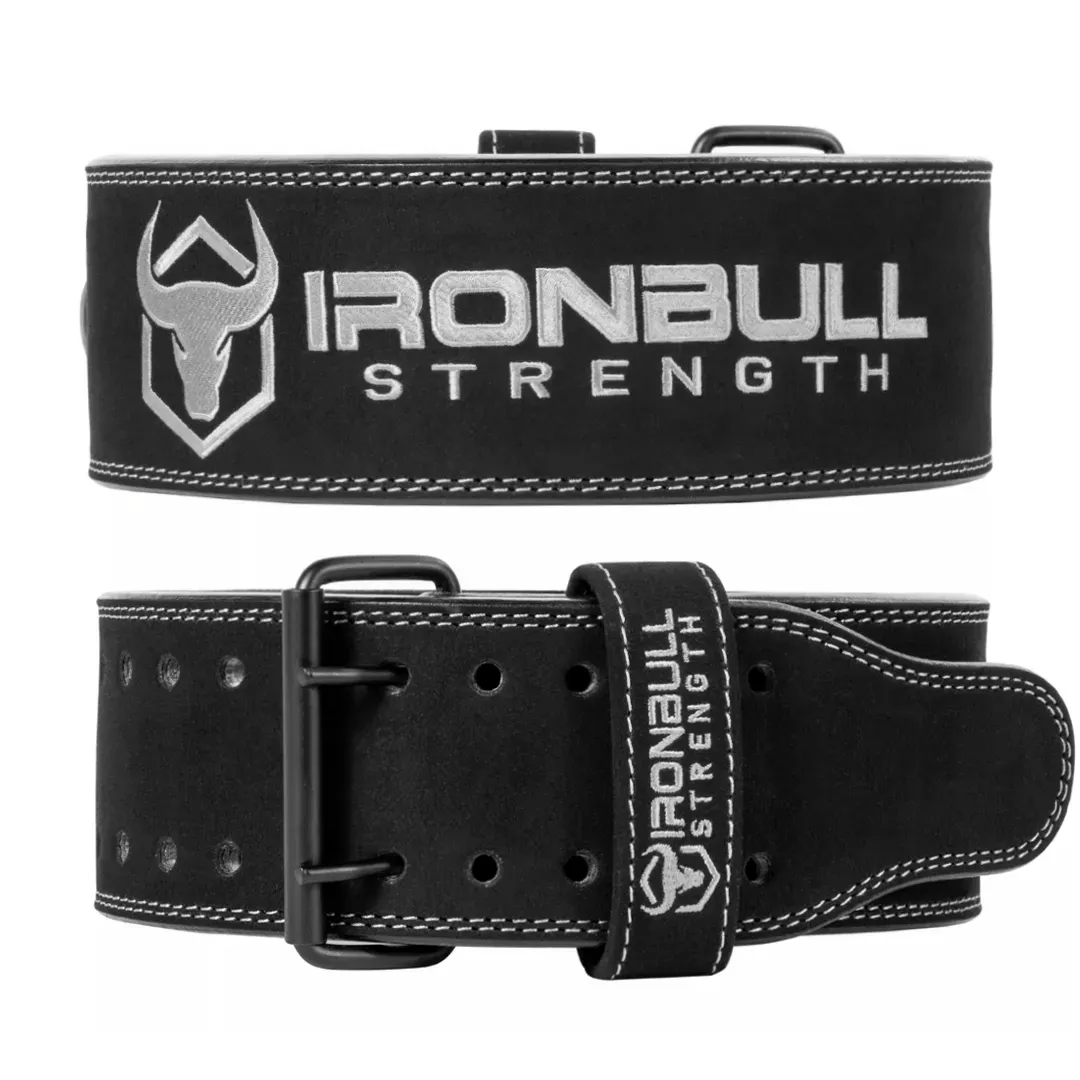
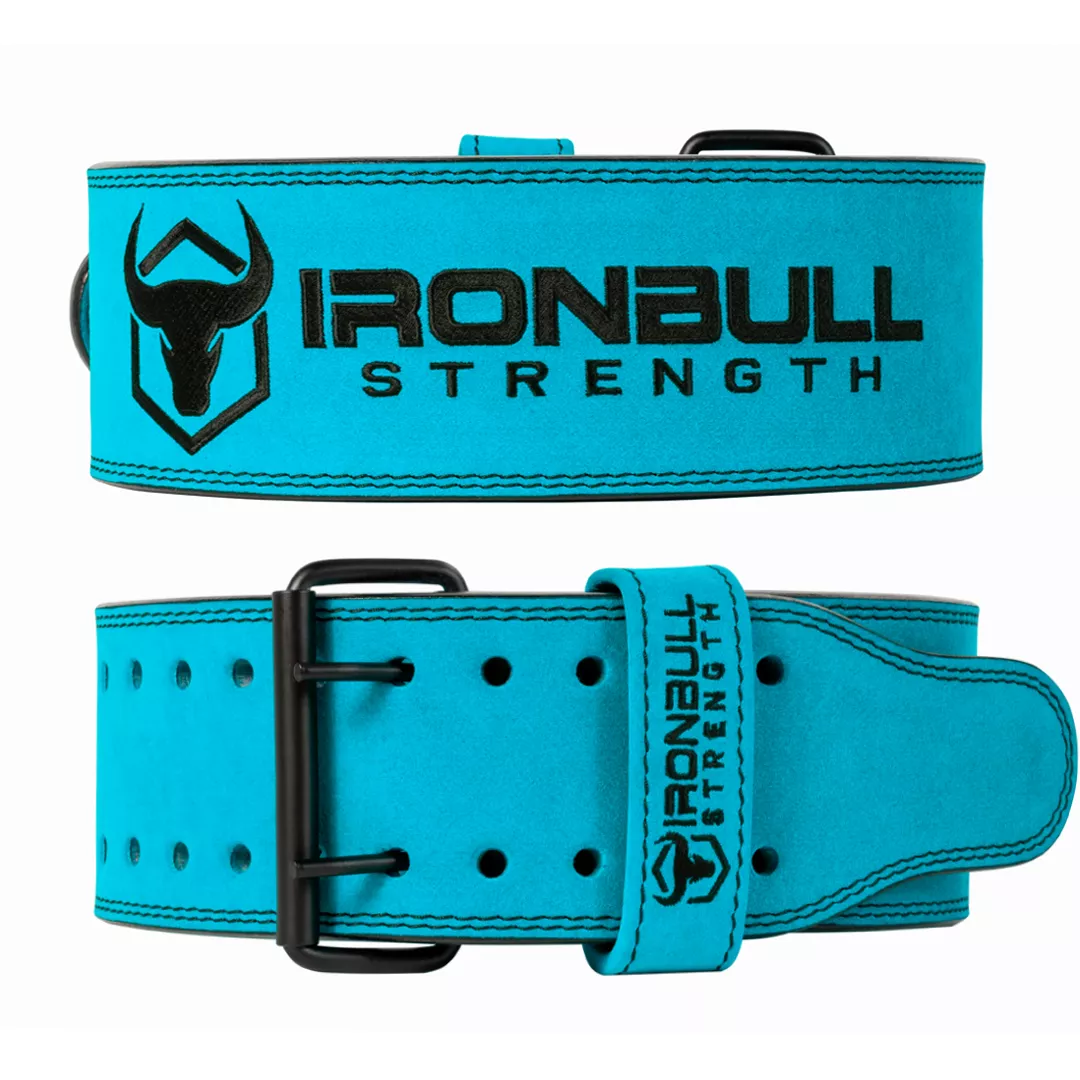
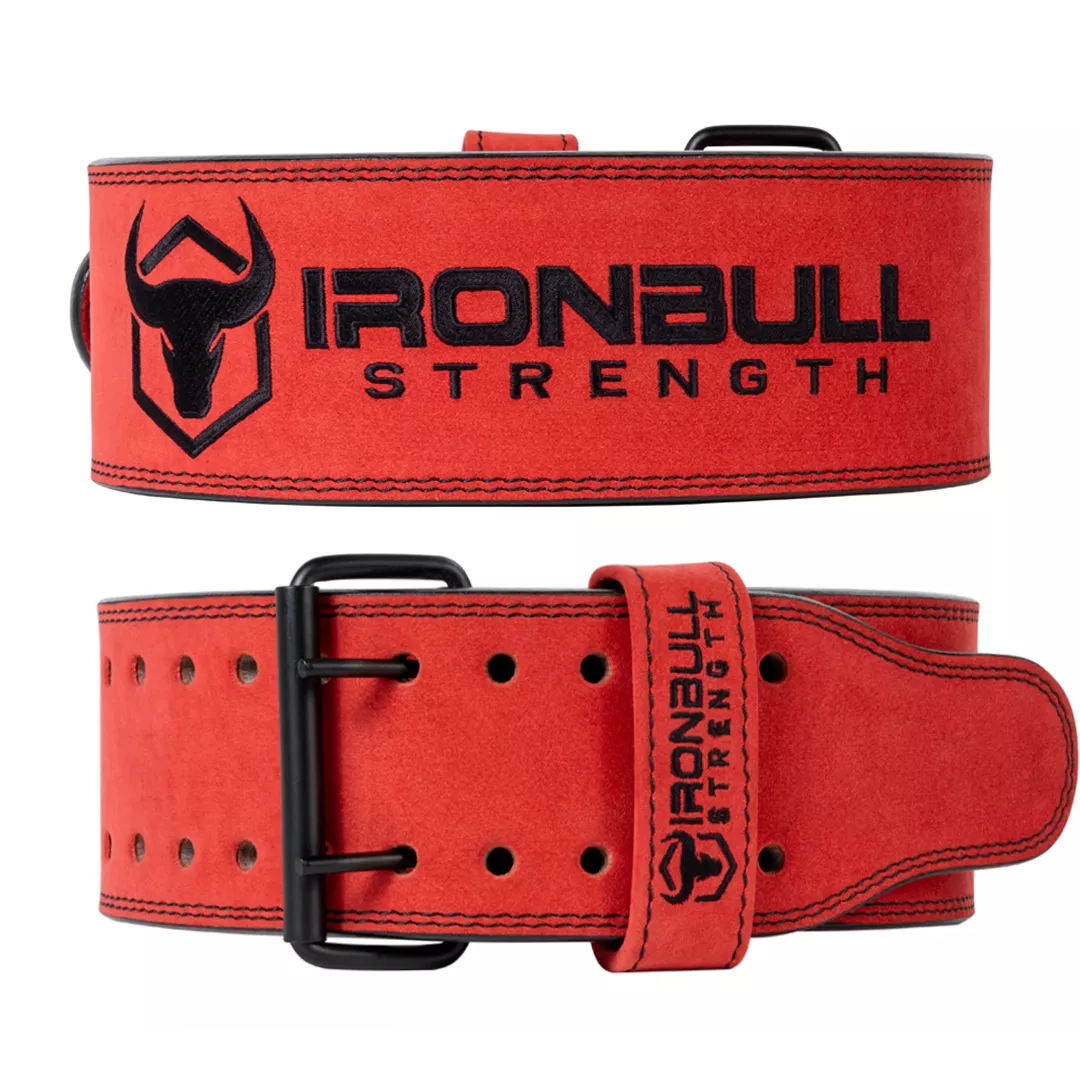
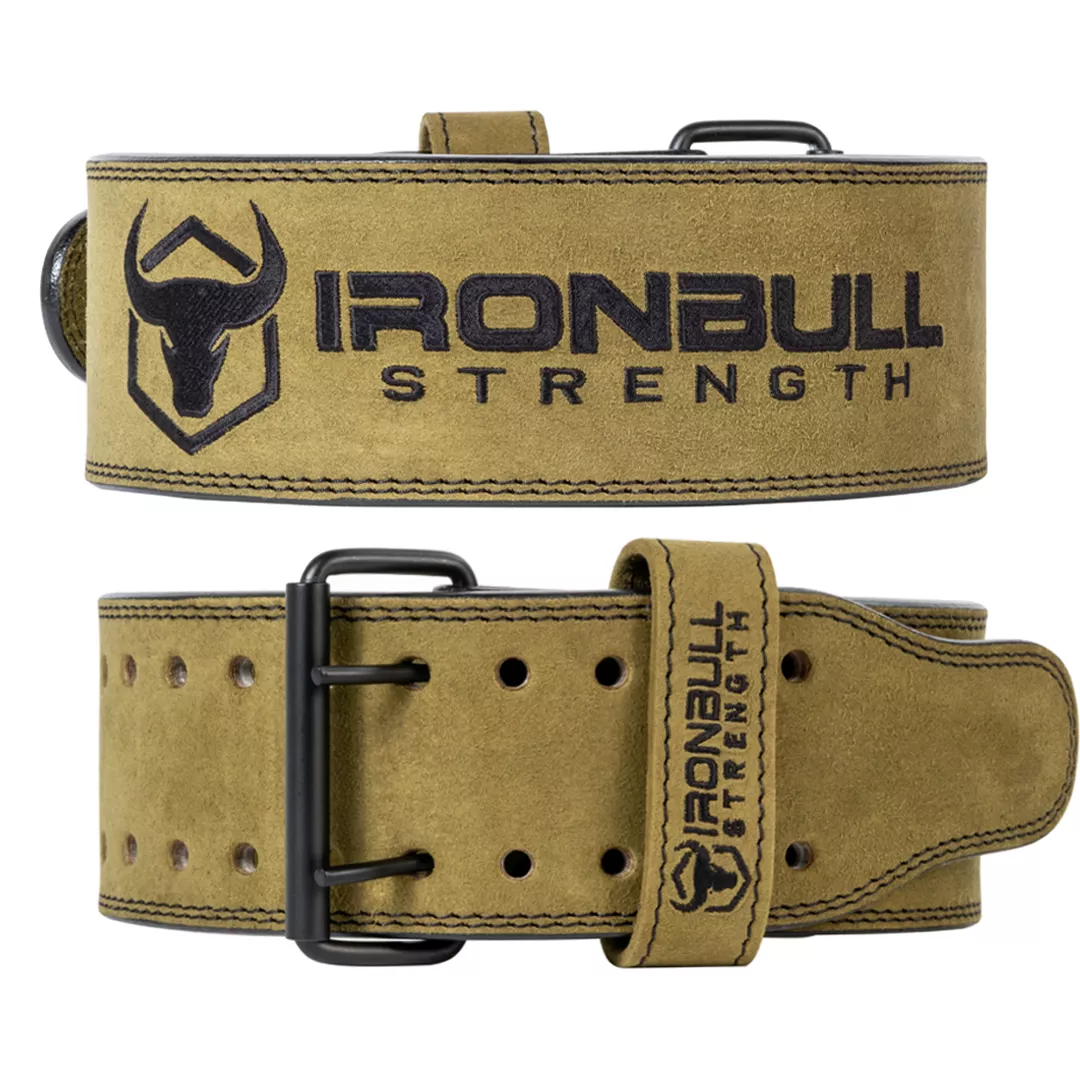
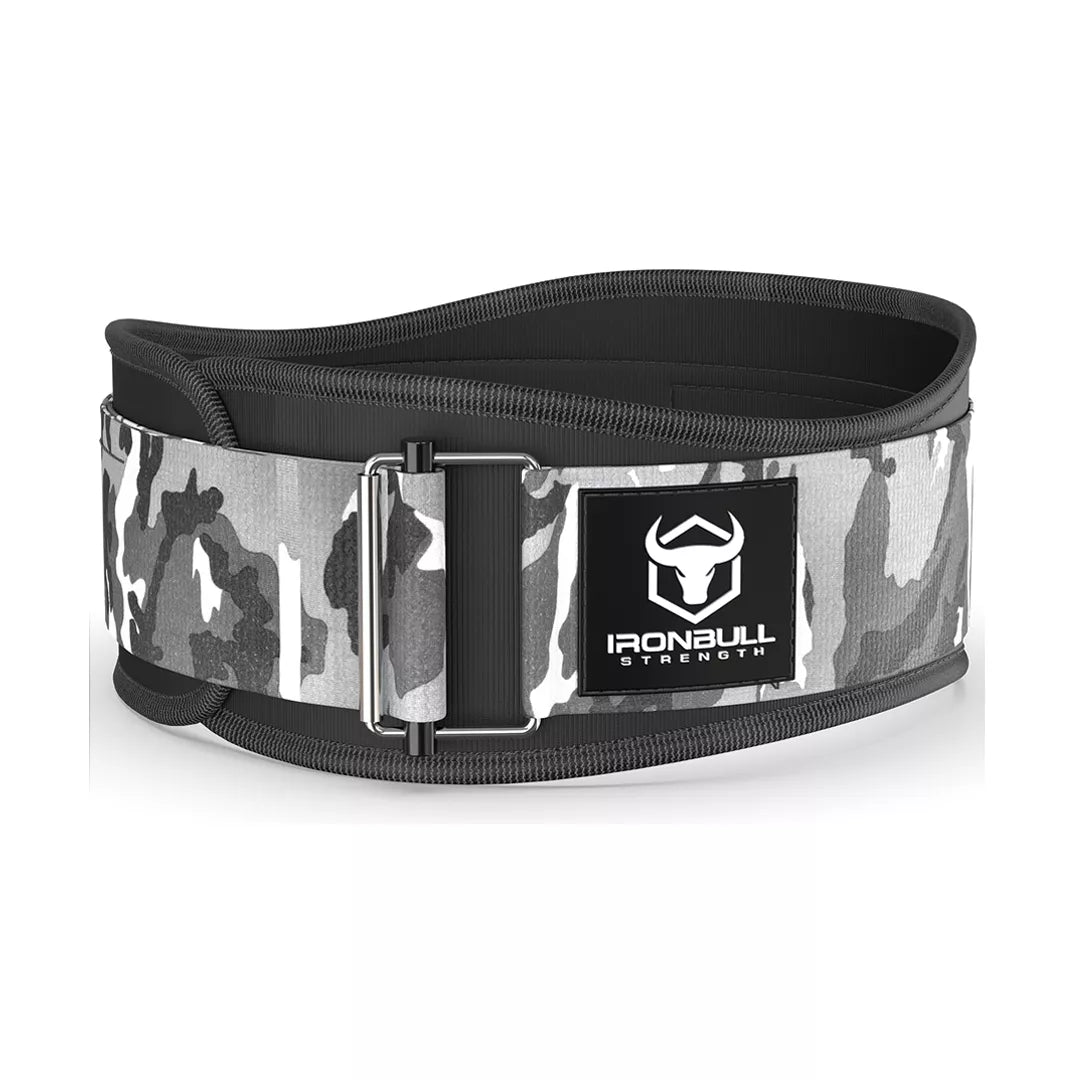
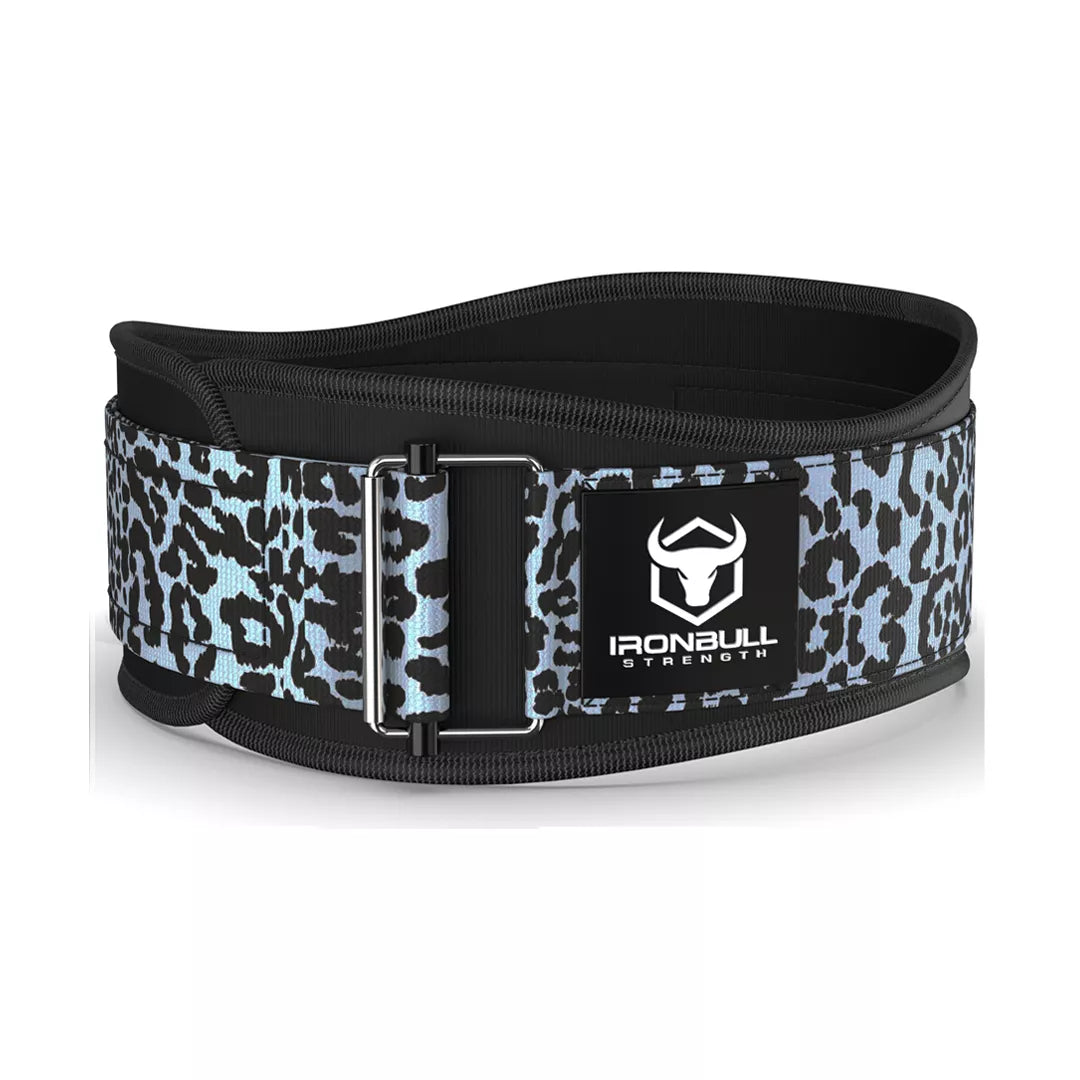
A lifting belt is the most important piece of equipment you can add to your training after the bar itself. The right belt increases intra-abdominal pressure, stabilizes your spine under maximal loads, and gives you the confidence to push heavier — safely. Iron Bull lifting belts are built for serious lifters across every discipline: powerlifting, weightlifting, CrossFit, and general strength training.

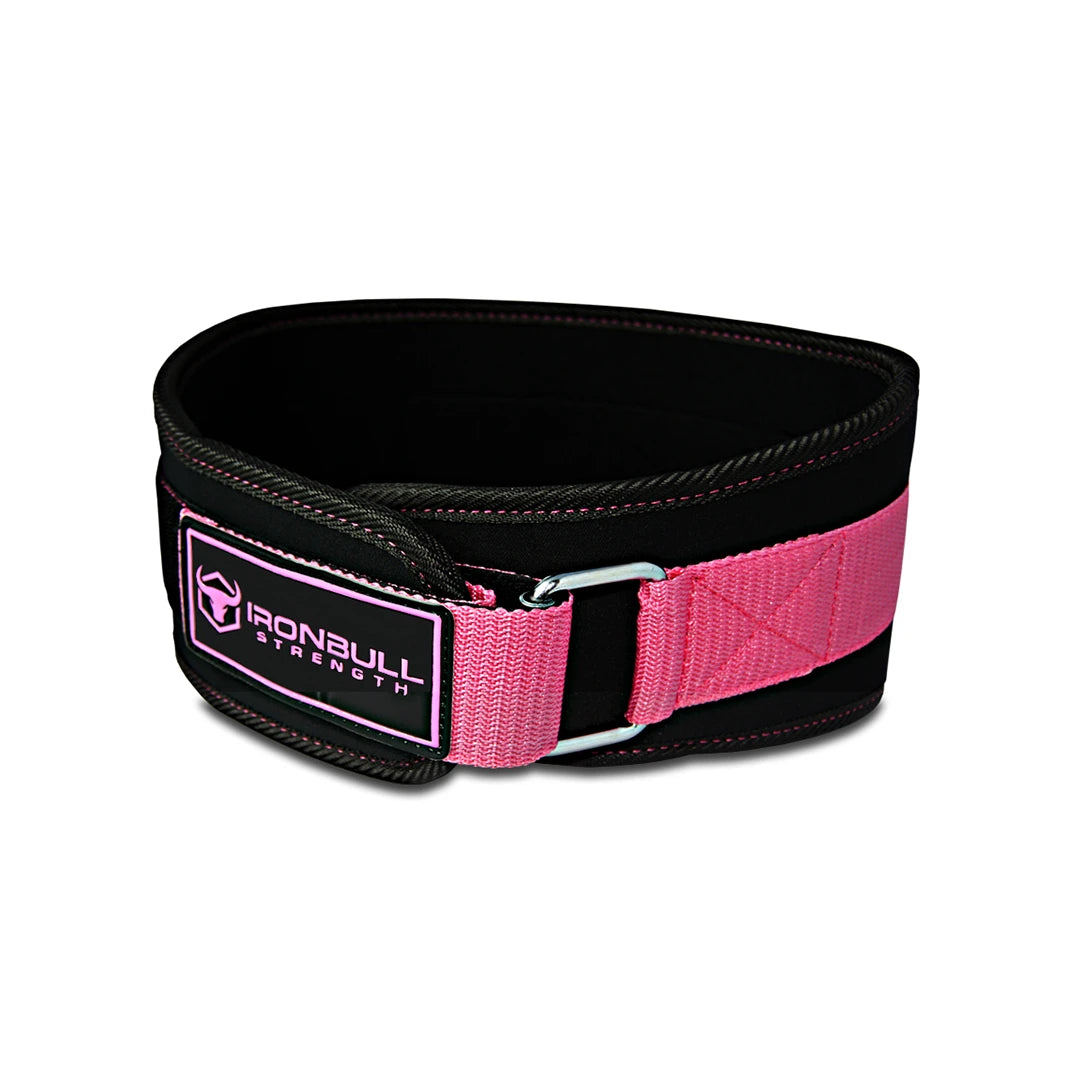
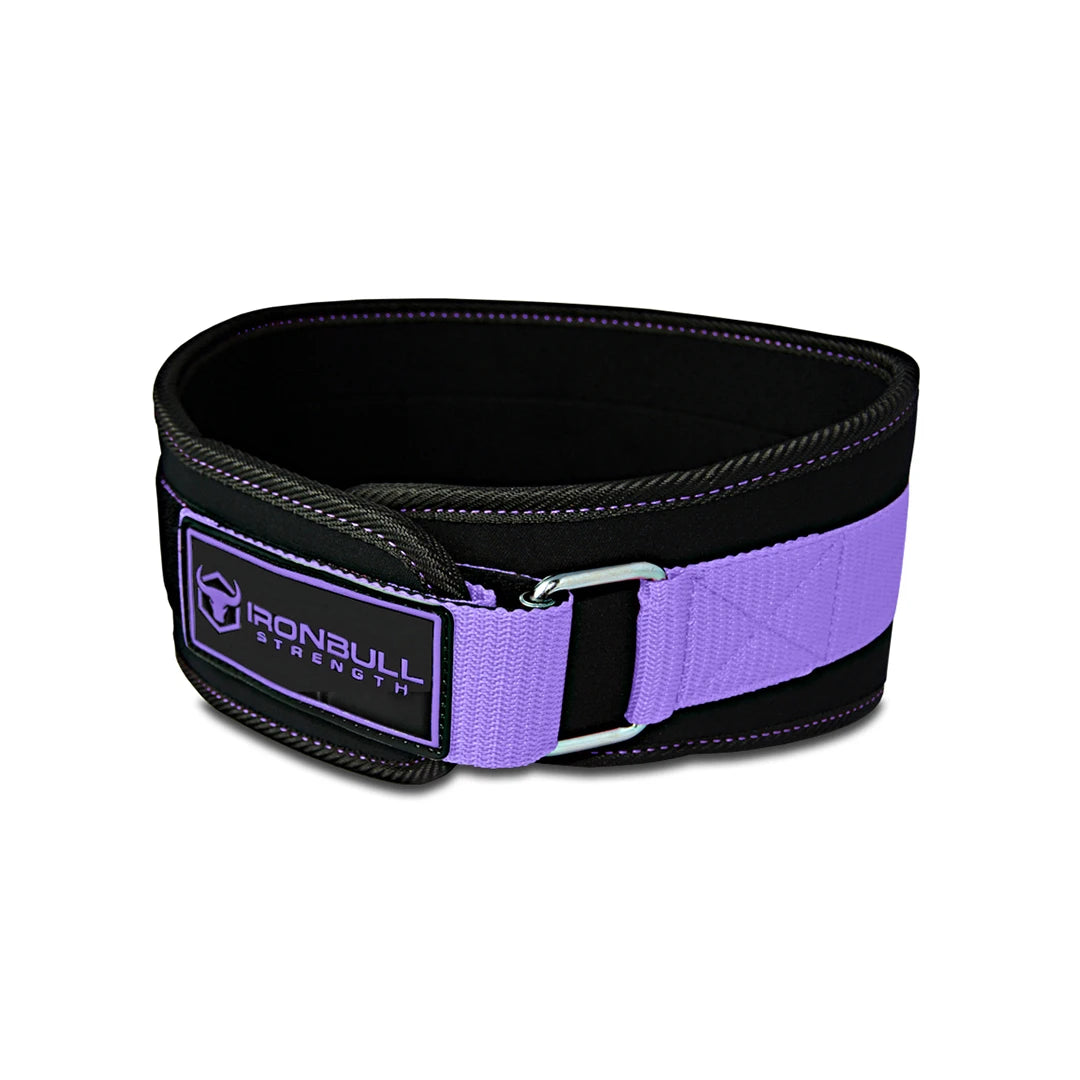
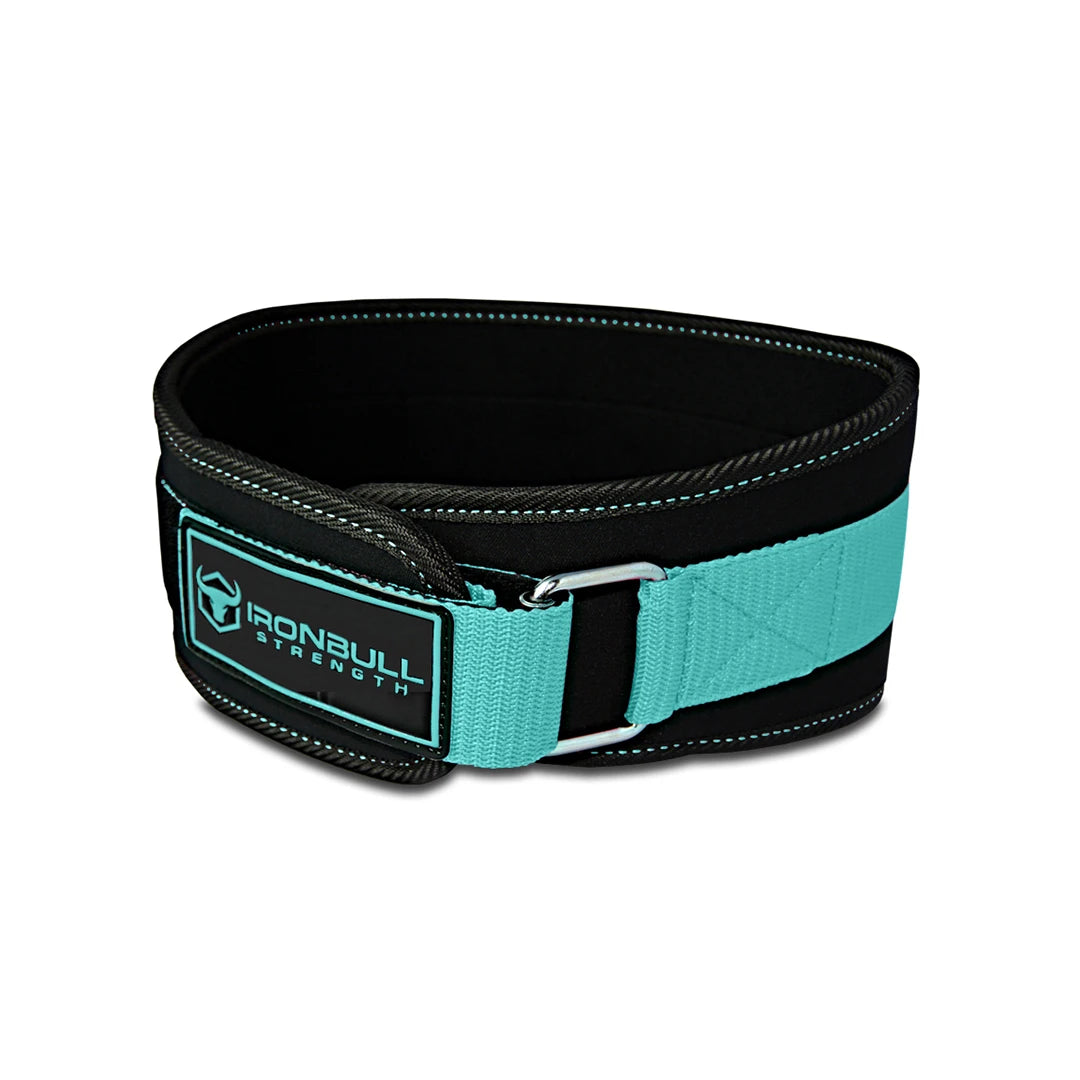
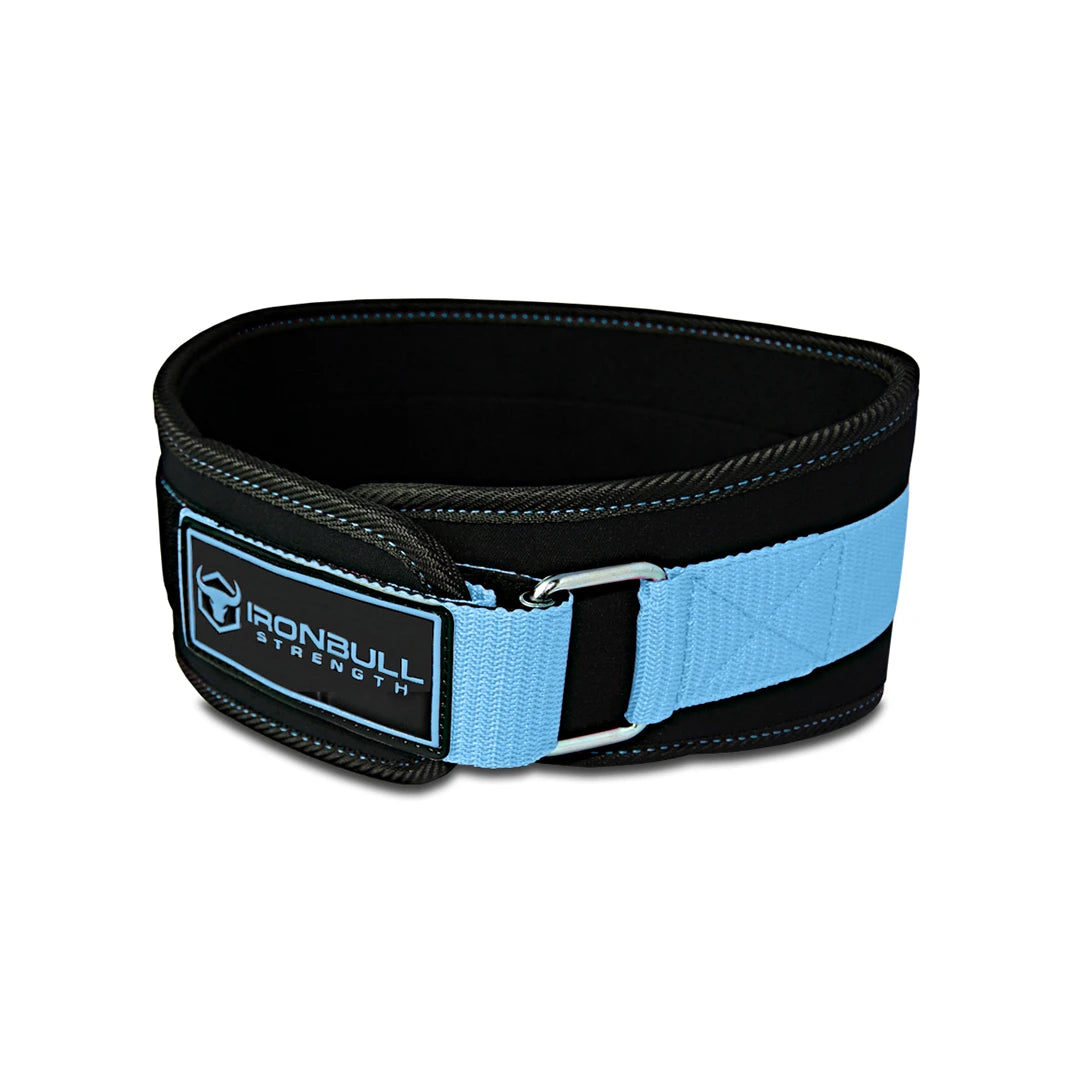
Choose from our full lineup — IPF-approved lever belts for competition, leather belts for maximum support, nylon belts for dynamic training, and women's belts sized for a proper fit.

Product type
Product type
Gender
Gender
Size
Size
Material
Material
Closure
Closure
Width
Width
Thickness
Thickness
Shape
Shape
Competition Approval
Color
Color

Filters

Product type
Product type
Gender
Gender
Size
Size
Material
Material
Closure
Closure
Width
Width
Thickness
Thickness
Shape
Shape
Competition Approval
Color
Color
12 Results

What Does a Lifting Belt Do?

A lifting belt works by giving your core something to brace against. When you take a deep breath and push your core outward into the belt, you create intra-abdominal pressure — a rigid cylinder of support around your spine that dramatically reduces the shear forces on your lower back during heavy squats, deadlifts, and overhead work. This isn't just about protecting your back. It actively makes you stronger by giving your core a solid base to produce force from.

The research backs this up: lifters using a belt consistently demonstrate higher peak force output and lower spinal compression compared to beltless lifting at equivalent intensities. The belt doesn't do the work for you — you still have to brace correctly — but it gives you more to brace against and keeps your technique honest under maximal loads.

Lever Belt vs Prong Belt — Which Is Right for You?

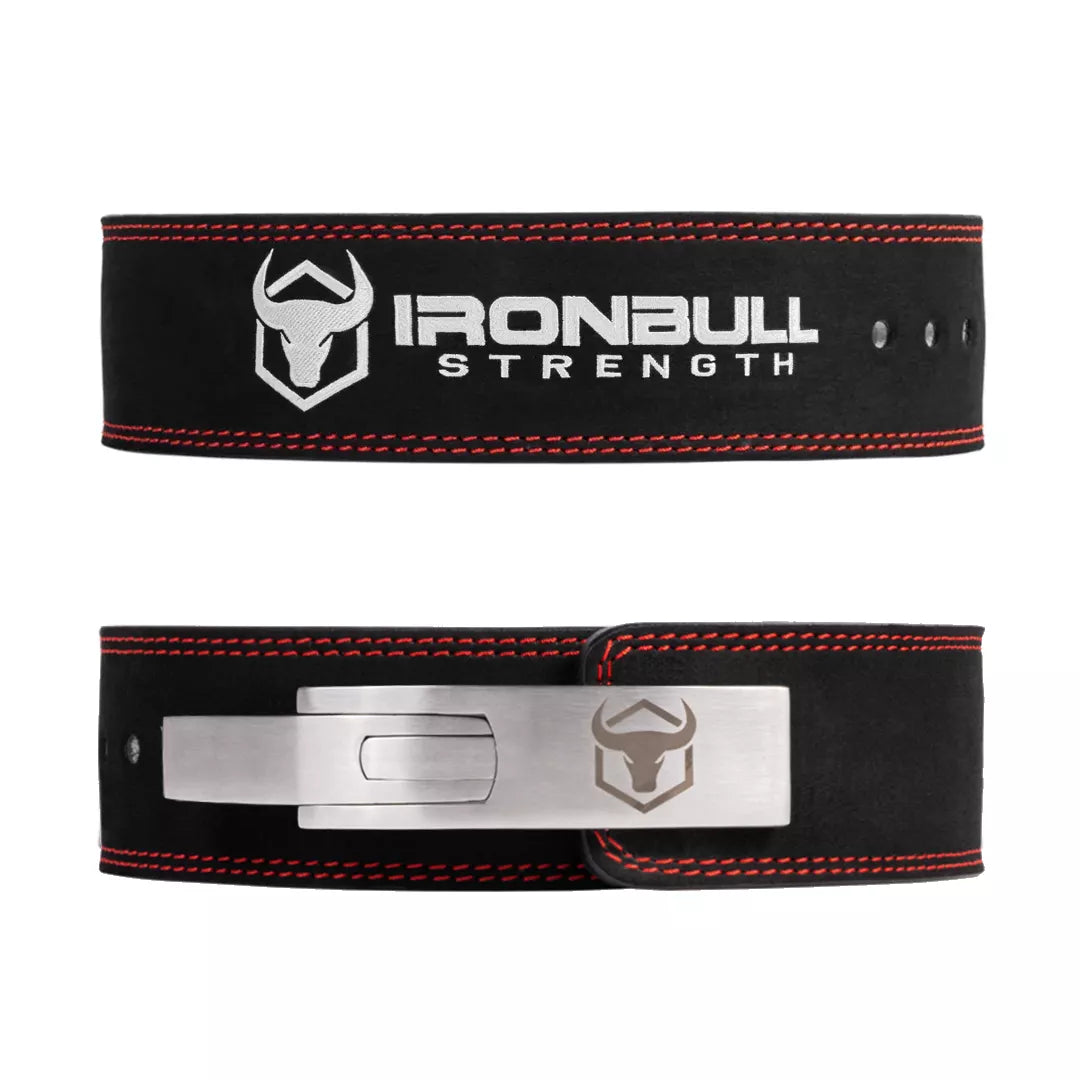
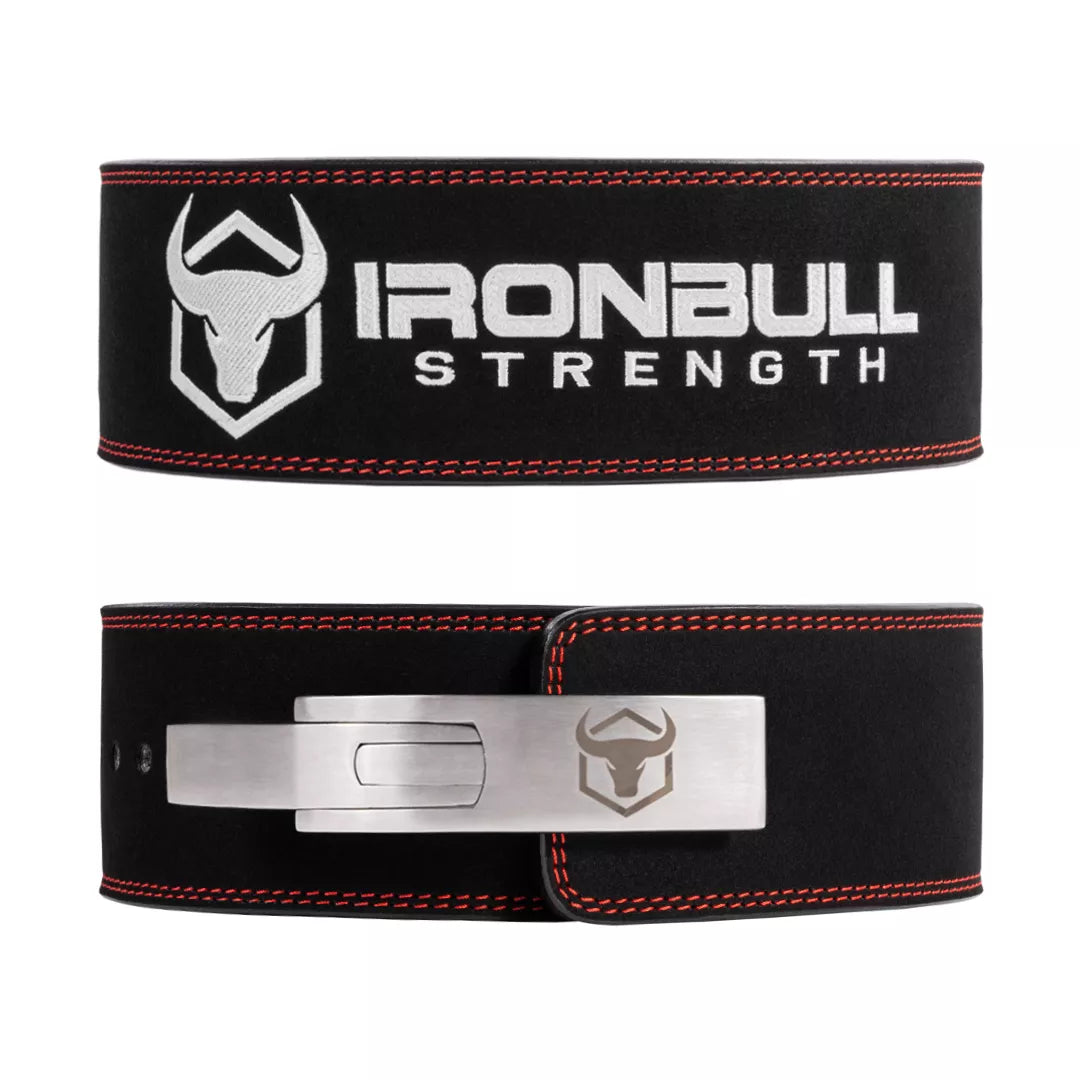
The lever belt is the standard choice for powerlifting and anyone who squats or deadlifts heavy regularly. You set the lever once with a screwdriver to your exact waist measurement, and from that point every set is the same tightness — locked in instantly, released with a flip of the lever. No variation between sets, no guesswork. Iron Bull lever belts come in 10mm and 13mm, IPF approved, and are the belt our competitive lifters use on the platform.

A prong belt — single or double prong — gives you more adjustability. You can tighten or loosen between sets without a screwdriver, which makes it useful for sessions where you're doing varied rep ranges or moving between exercises. Single prong is faster to use, double prong locks in more securely. If you're new to lifting belts or train across multiple disciplines, a prong belt is a practical starting point before committing to a lever.

Leather Lifting Belts vs Nylon Lifting Belts

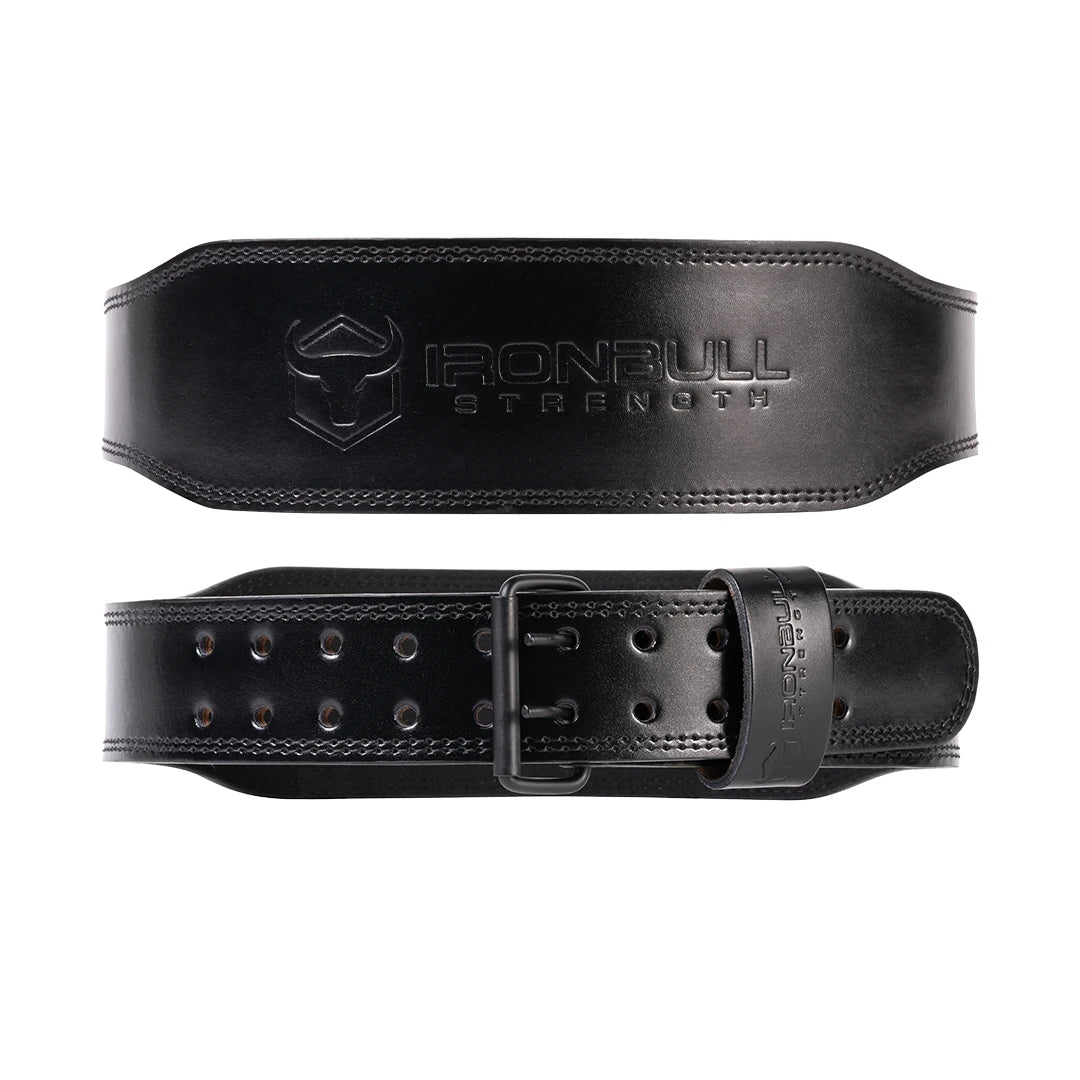
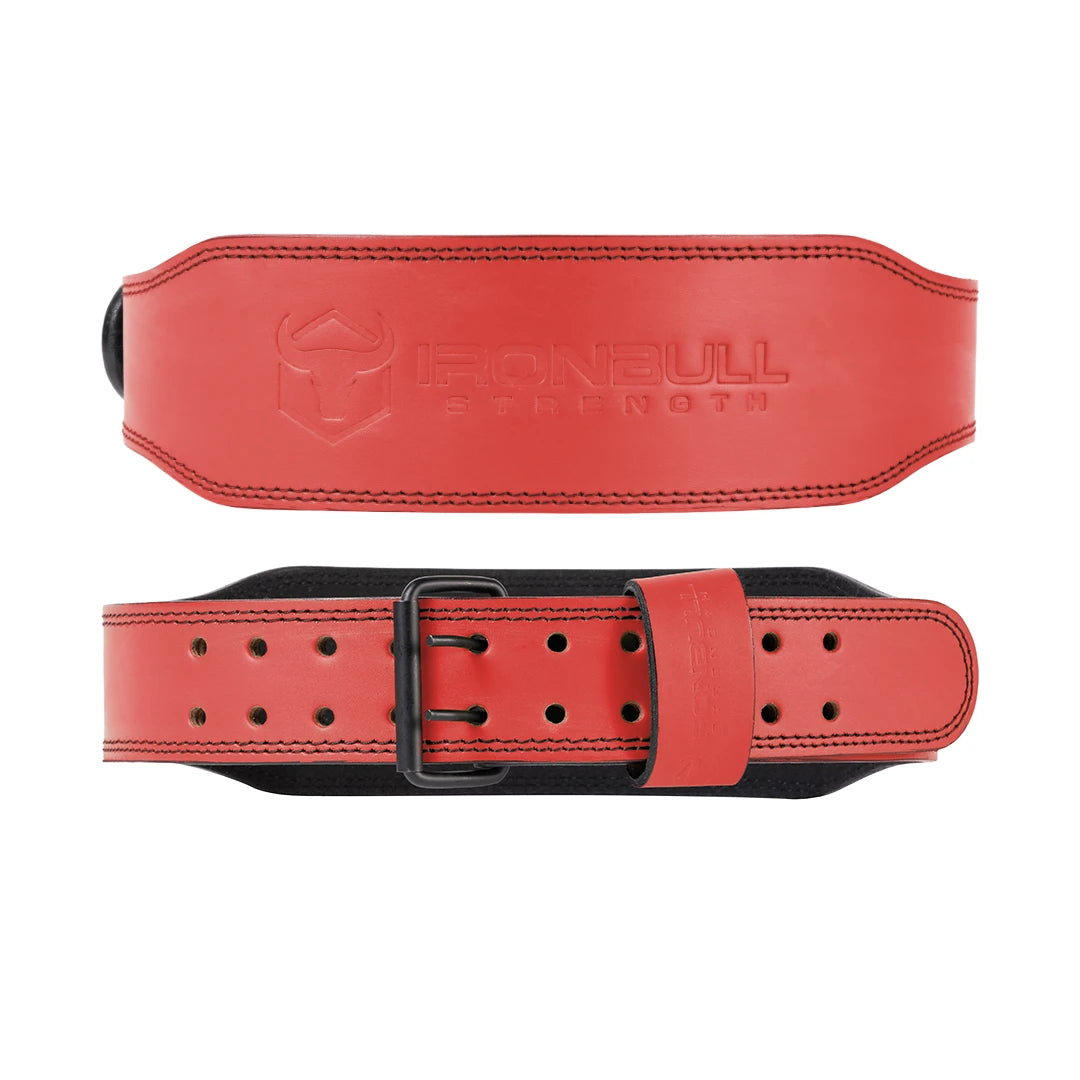
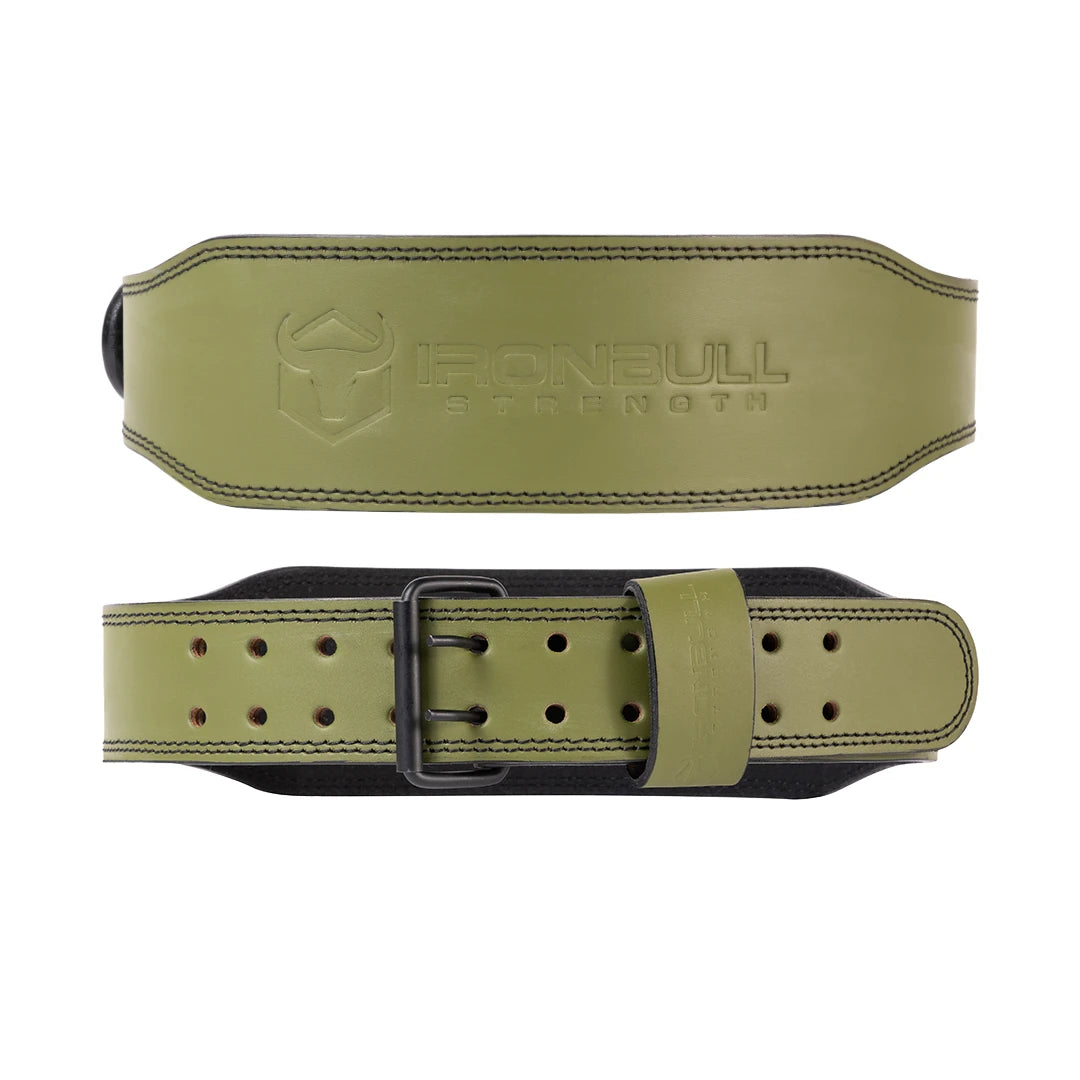
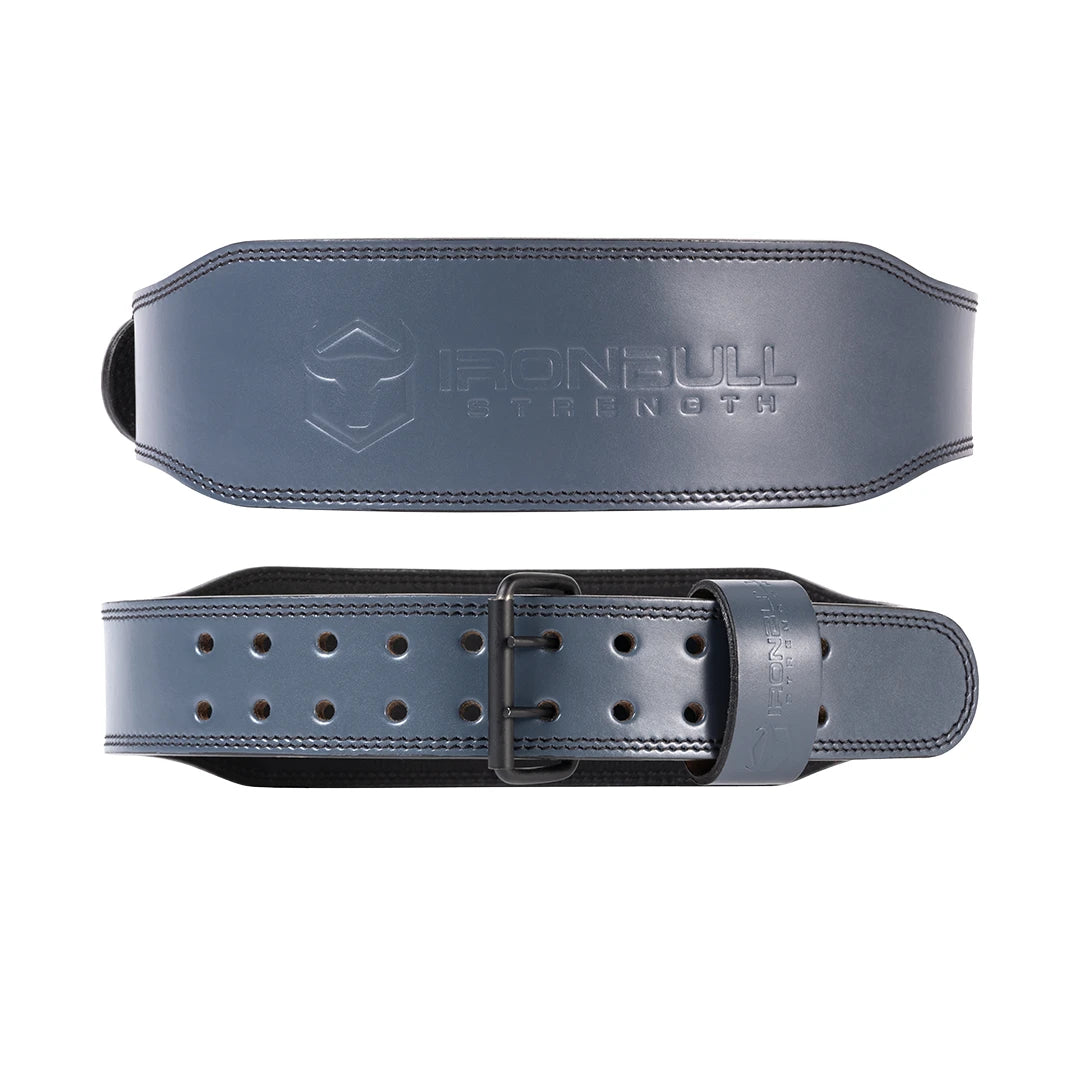
Leather lifting belts are stiffer, more supportive, and the choice for maximum-effort powerlifting and strength work. The rigidity of leather is what generates the intra-abdominal pressure that makes a belt effective on heavy singles and low-rep sets. Our leather belts use top-grain leather with double stitching throughout — built to outlast years of heavy training without losing their stiffness.

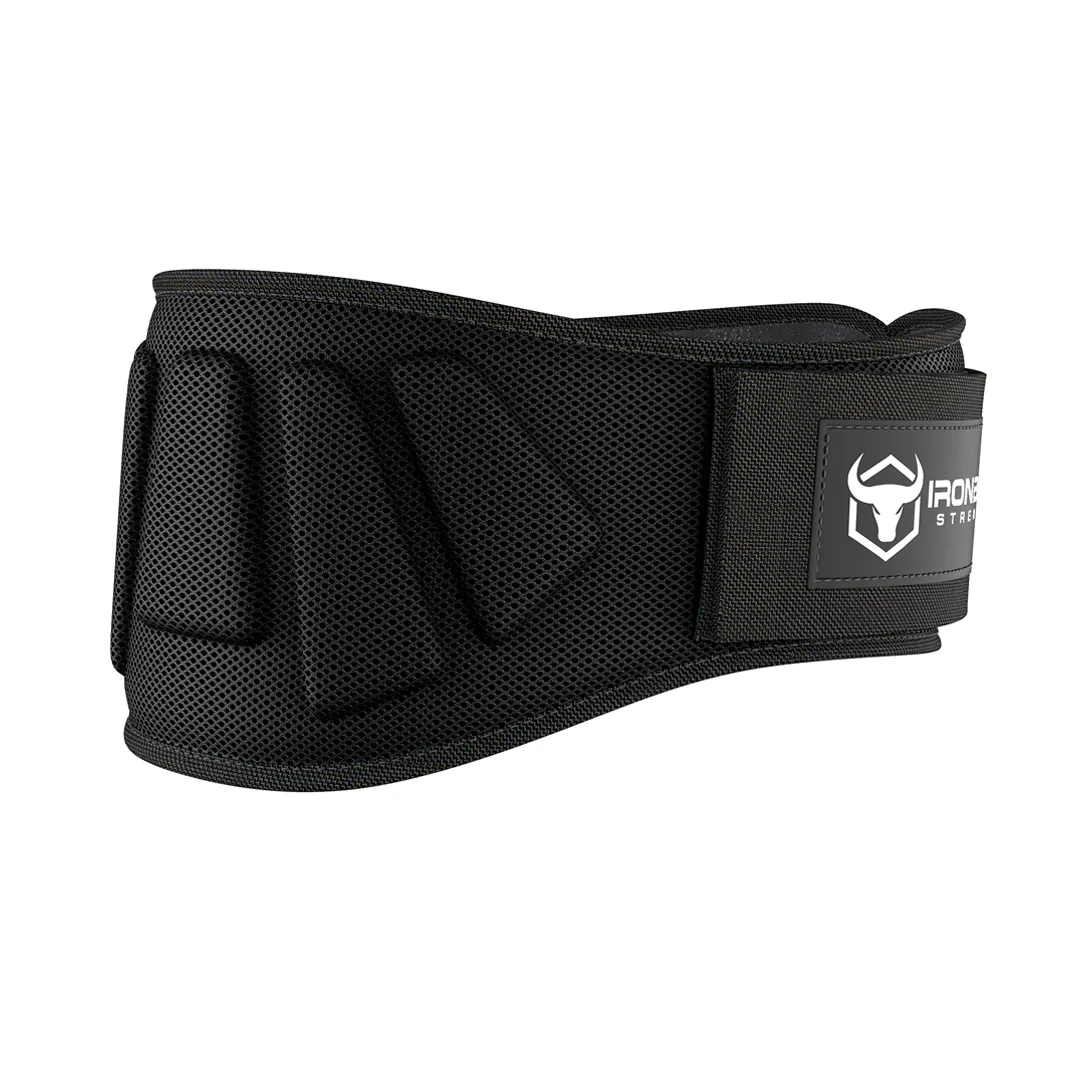
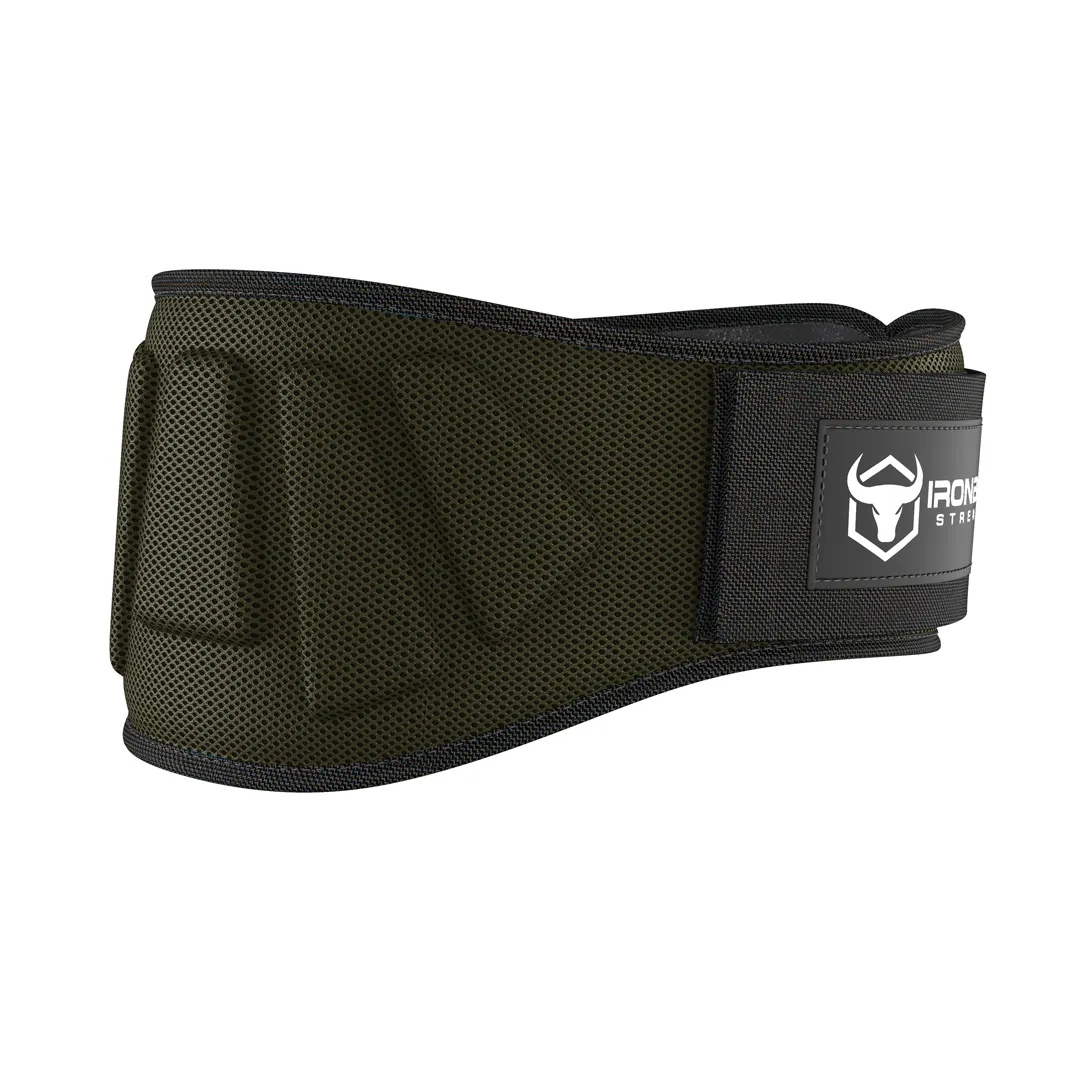
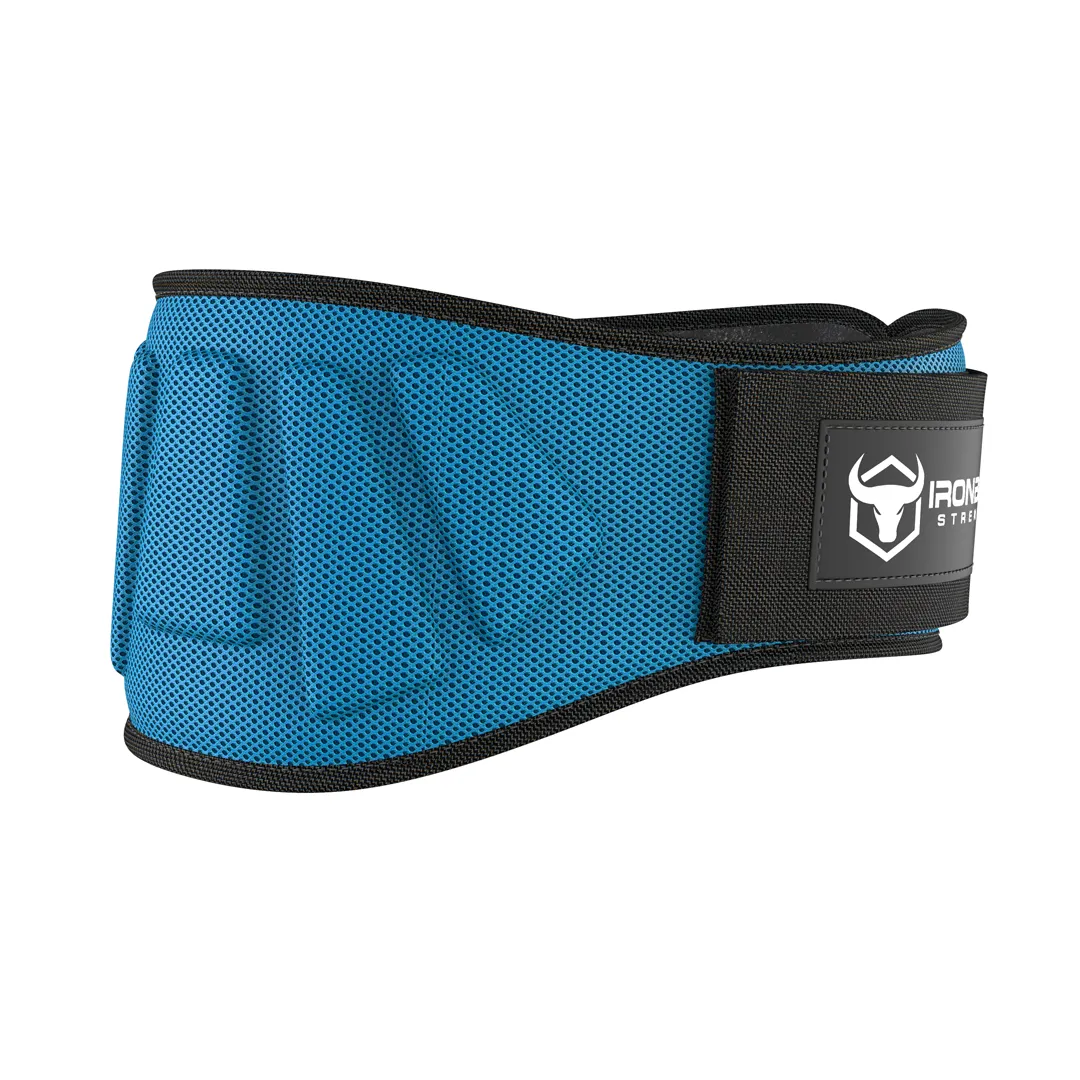
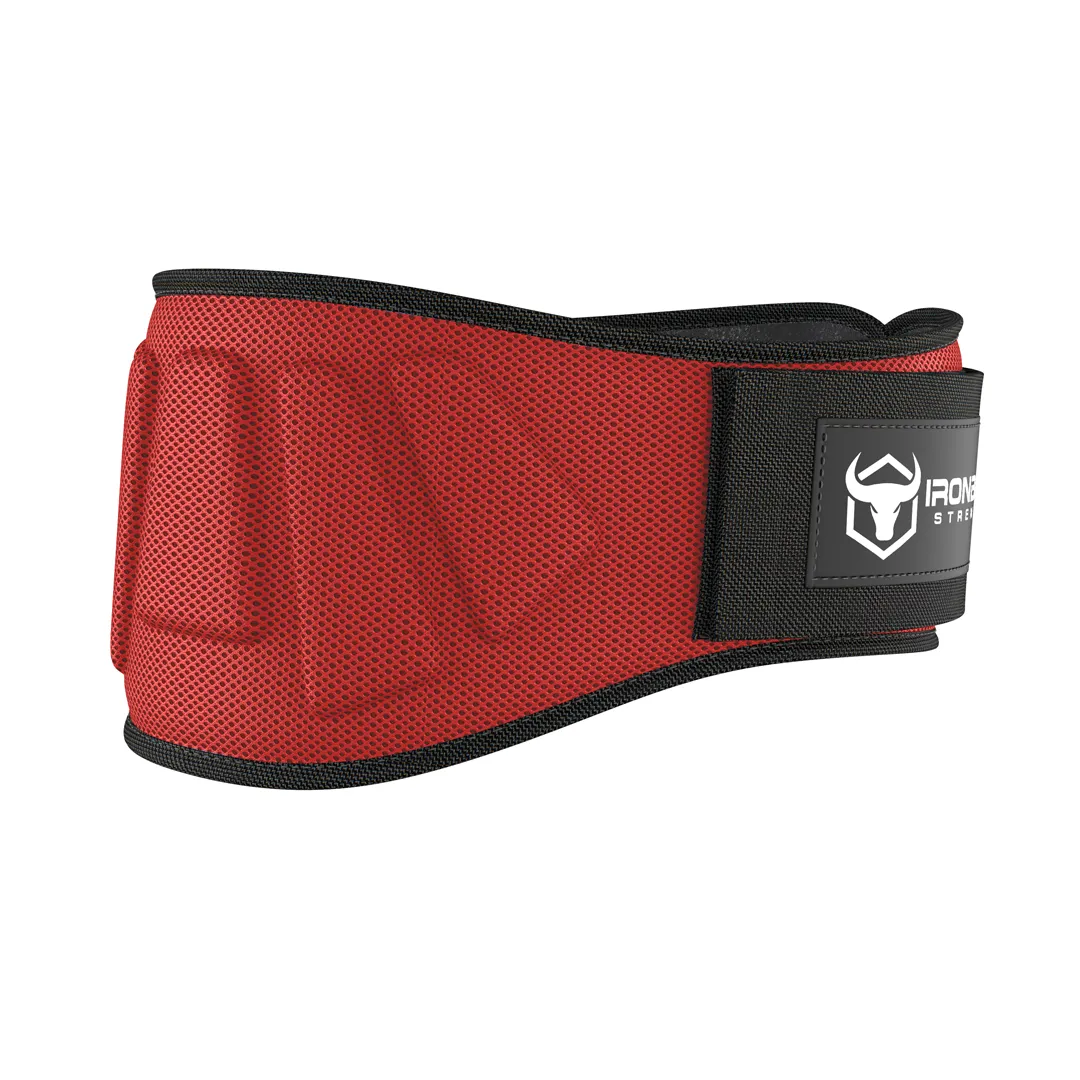
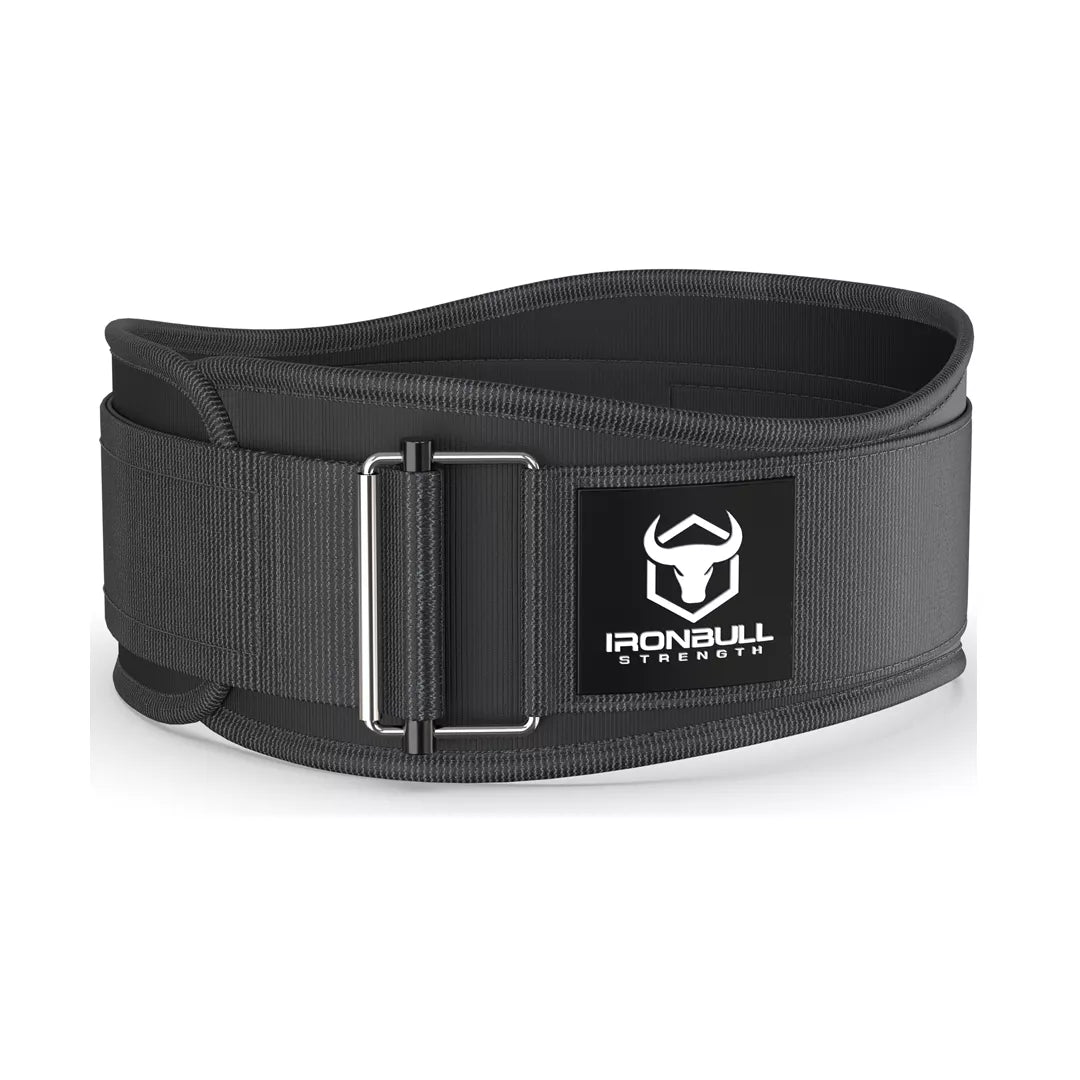
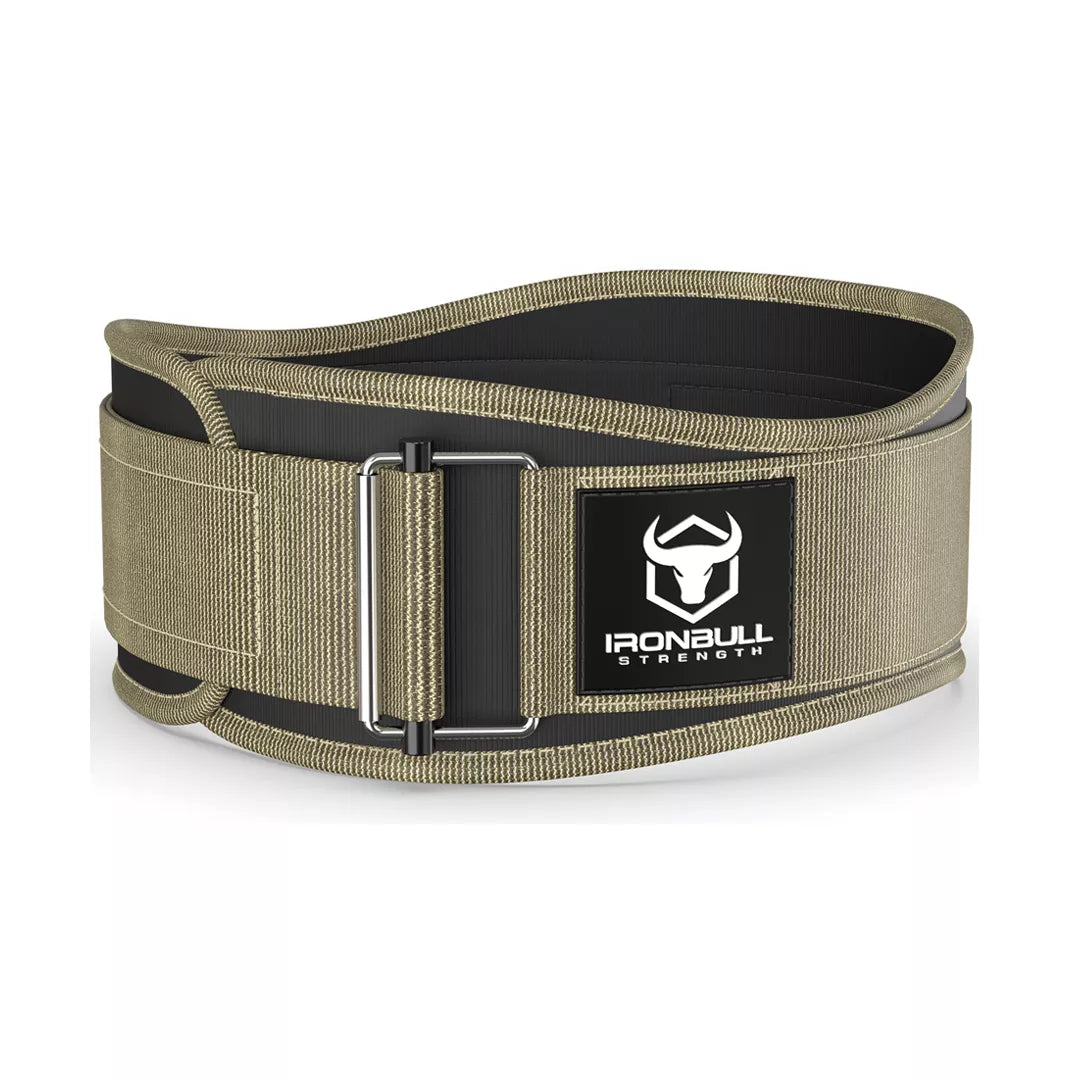
Nylon lifting belts are lighter, more flexible, and easier to move in. They're the right choice for CrossFit, Olympic lifting, high-rep accessory work, and any session where you'll be transitioning between movements quickly. A nylon belt provides meaningful core support without the restriction of leather, making it comfortable for longer sessions and dynamic movements.

10mm vs 13mm Lifting Belt — Which Thickness Do You Need?

10mm is the right starting point for most lifters. It provides excellent support, breaks in faster, and is more comfortable for a wider range of movements. Our 10mm lever belts are IPF approved and are the most popular choice in our lineup for both training and competition.

13mm is the maximum thickness allowed under IPF regulations and delivers the stiffest, most supportive option available. It takes longer to break in and is less forgiving on your hips during low-bar squats, but once broken in it provides more rigidity than any 10mm option. Serious powerlifters who compete regularly and prioritize maximum support over comfort choose 13mm. If you're unsure, start with 10mm.

Lifting Belts for Women

Belt sizing is based on waist circumference, not gender — but women typically need smaller sizes than men at the same bodyweight due to proportional differences in torso length and waist measurement. Our women's lifting belt is cut specifically for a shorter torso fit and comes in sizes designed for waist measurements that standard men's belts don't cover well. The same IPF-approved construction, the same quality leather — just properly sized.

Women competing in powerlifting or training seriously in the squat and deadlift benefit from the same belt choice as men: 10mm lever for competition, 7mm or nylon for general training and dynamic work.

How to Wear a Lifting Belt Correctly

Position the belt around your waist at or just above your hip bones — not on your lower back, not on your upper abdomen. The belt should sit where your torso naturally bends when you hinge. For most lifters this means the bottom edge of the belt sits just above the iliac crest.

Tightness is the most misunderstood part of using a belt. The belt should be tight enough that you feel resistance when you breathe into it — but not so tight that it prevents you from taking a full breath before your set. A common rule: you should be able to fit one or two fingers under the belt when relaxed, and feel it pressing back against your core when you brace. If you can't breathe before your set starts, it's too tight.

The actual technique: before the lift, take a big breath into your belly — not your chest — pushing your core out in all directions into the belt. Hold that pressure throughout the entire lift. Exhale at the top or between reps, never at the bottom of a squat or the sticking point of a deadlift.

When Should You Start Using a Lifting Belt?

There's no specific strength threshold that determines when you "need" a belt, but a common and reasonable guideline is to start using one when you're squatting or deadlifting at or above 1.5x your bodyweight. At that point the spinal loads are significant enough that belt support provides a meaningful safety benefit.

More importantly: don't use a belt as a substitute for core strength. Build your beltless numbers first so you understand what proper bracing feels like, then add the belt as a tool that enhances technique you've already developed — not one that masks a weakness.

How Tight Should a Lifting Belt Be?

Tight enough to feel resistance when you breathe into it — loose enough that you can still take a full diaphragmatic breath before the lift. The most accurate test: take your full pre-lift breath and brace hard. The belt should feel like it's being pushed outward by your core. If it doesn't move at all and you can't fully breathe in, loosen it one notch. If it slides around or you can't feel it when braced, tighten it.

Competition lifters often wear their belts tighter than training lifters because they're doing one maximal attempt rather than multiple working sets. In training, erring slightly looser is fine and more sustainable for session longevity.

Dip Belts for Upper Body Strength

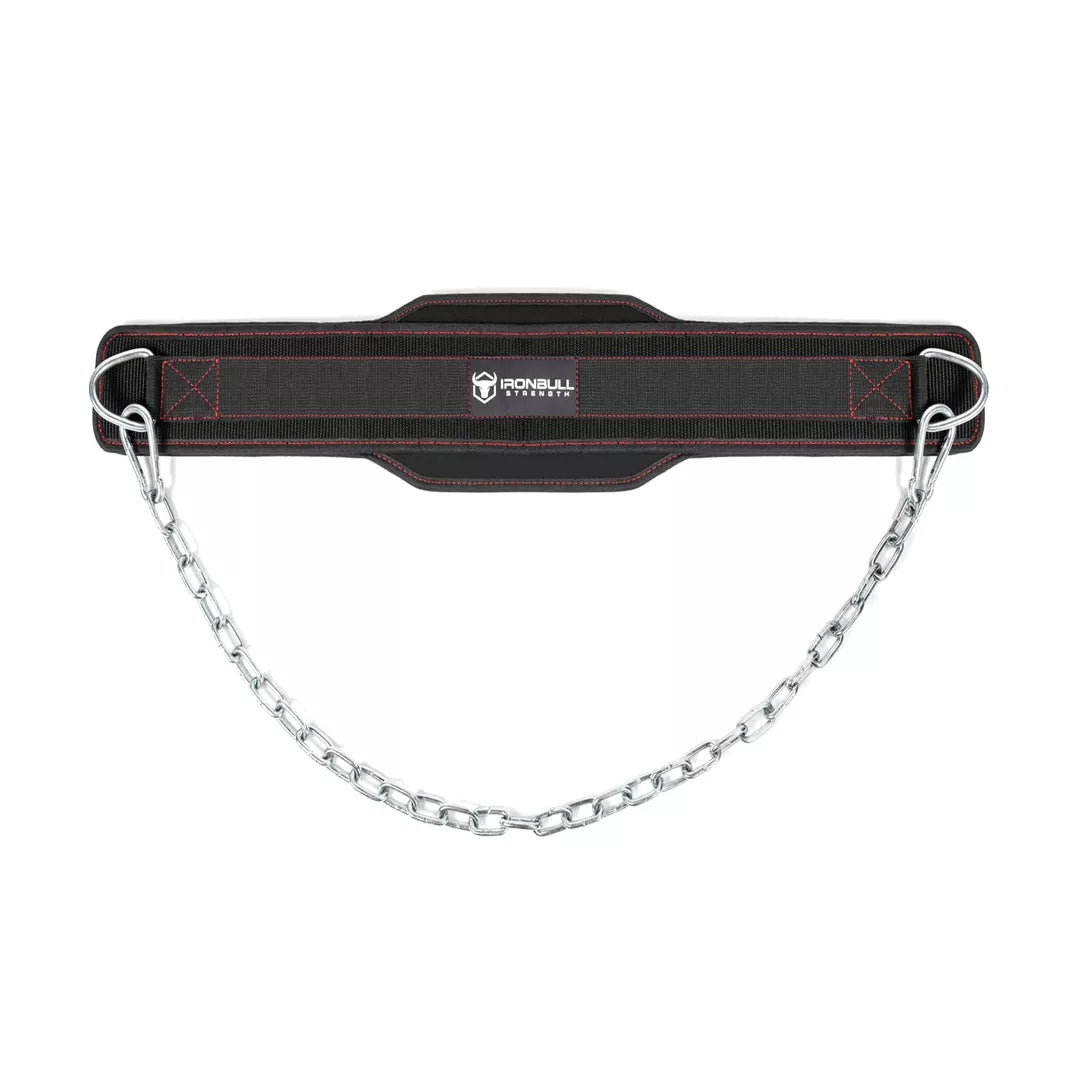
A dip belt adds resistance to bodyweight movements — dips, pull-ups, chin-ups, and belt squats — by attaching weight via a chain around your waist. It's one of the most effective tools for building triceps, chest, back width, and upper body pulling strength beyond what bodyweight alone provides. Iron Bull's dip belt uses a heavy-duty steel chain rated for significant loads, with a padded neoprene back for comfort during weighted sets.

Use a dip belt when bodyweight dips or pull-ups are no longer challenging — typically when you can perform 15+ reps with good form. Add small increments of weight and prioritize full range of motion over load.

Frequently asked questions

What does a lifting belt do?
A lifting belt gives your core something to brace against. When you breathe into the belt and brace, you create intra-abdominal pressure — a rigid column of support around your spine that reduces shear forces on your lower back during heavy squats, deadlifts, and overhead pressing. It doesn't do the work for you, but it makes your bracing more effective and your technique more consistent under maximal loads.

When should I start using a lifting belt?
A common guideline is to start when you're squatting or deadlifting at or above 1.5x your bodyweight. More importantly, build your beltless numbers first so you understand what proper bracing feels like. Use a belt to enhance technique you've already developed, not as a substitute for core strength.

How tight should a lifting belt be?
Tight enough that you feel resistance when you breathe hard into it, loose enough that you can still take a full diaphragmatic breath before your set. You should be able to fit one to two fingers under the belt when relaxed. When braced, the belt should feel like it's being pushed outward by your core. If you can't breathe in before the lift, loosen it one notch.

Where should a lifting belt sit on your body?
At or just above your hip bones — not on your lower back, not on your upper abdomen. The belt should sit where your torso naturally bends when you hinge. For most lifters the bottom edge sits just above the iliac crest.

Will a lifting belt make me lift more weight?
Yes, a properly worn belt typically allows you to lift 5 to 15 percent more than beltless for the same effort due to increased intra-abdominal pressure and spinal stability. However, this benefit requires correct bracing technique. A belt worn loosely or breathed into incorrectly provides minimal benefit.

Can women use the same lifting belts as men?
Belt sizing is based on waist circumference, not gender. Women with waist measurements that fall within standard sizing can use any belt in our lineup. We also offer a women's specific belt designed for a shorter torso fit with sizing for smaller waist measurements that standard belts don't cover as well.

What is a lever belt?
A lever belt uses a metal lever mechanism instead of a prong or buckle. You set the lever once to your exact waist measurement using a screwdriver, and from that point every set is the same tightness — locked in instantly with a flip of the lever, released just as quickly. It's the standard choice for powerlifting and heavy strength training because it gives consistent compression on every set with no variation.

Should I get a lever belt or a prong belt?
If you squat and deadlift heavy regularly and want consistent tightness on every set, get a lever belt. If you prefer to adjust tightness between sets or exercises, or you're new to using a belt, a prong belt gives you more flexibility. Single prong is faster to use; double prong locks in more securely.

How do I adjust a lever belt?
Use a flathead screwdriver to move the lever position along the belt holes. Adjust it to the hole where you want the belt to sit when locked — this becomes your fixed compression point. You only need to adjust with a screwdriver when your waist size changes significantly. Day-to-day use is simply flipping the lever open and shut.

How tight should a lever belt be?
Set the lever at a hole where the belt feels very tight when locked — you should feel significant compression when braced. Most lifters find they use their lever belt 1 to 2 notches tighter than they would use a prong belt. The lever mechanism allows you to lock in a tightness that would be difficult to achieve consistently with a prong.

Should I get a 10mm or 13mm lifting belt?
Start with 10mm. It provides excellent support, breaks in faster, is more comfortable for a wider range of movements, and is IPF legal for competition. 13mm is stiffer, takes longer to break in, and is better suited for experienced powerlifters who prioritize maximum rigidity over comfort and mobility. If you're unsure, 10mm is the right choice.

What is the difference between 10mm and 13mm belts?
Thickness determines stiffness and support. A 13mm belt is noticeably stiffer than 10mm, generates more intra-abdominal pressure when braced properly, and takes significantly longer to break in. Both thicknesses are IPF legal. 10mm is more versatile and comfortable; 13mm is the maximum support option for maximum-effort powerlifting.

What is the difference between a leather lifting belt and a nylon belt?
Leather belts are stiffer and more supportive — the rigidity is what makes them effective for heavy powerlifting. Nylon belts are lighter and more flexible, making them better for CrossFit, Olympic lifting, and dynamic training where you need to move freely. For maximum squats and deadlifts, leather. For varied training and longer sessions, nylon.

Are nylon lifting belts good for squats and deadlifts?
Yes, especially for moderate intensities and higher rep ranges. For maximal or near-maximal effort lifts, leather provides more rigid support. A nylon belt is a practical choice if you train across multiple disciplines in the same session or prefer lighter, more flexible equipment.

Do women need a different lifting belt than men?
Not necessarily — belt sizing is based on waist circumference. If your waist measurement falls within standard belt sizing, any belt in our lineup works. Our women's specific belt is designed for shorter torso proportions and includes smaller size options for waist measurements that standard belts don't fit as well.

What lifting belt should a woman use for powerlifting?
The same criteria as men — 10mm lever belt for competition, IPF approved. Our Premium 10mm Lever Belt is the standard competition choice and comes in sizes down to XS. Size by waist circumference measured at the belly button, not by clothing size.

What is a dip belt used for?
A dip belt adds external load to bodyweight exercises — primarily weighted dips, weighted pull-ups, and chin-ups — by hanging weight from a chain around your waist. It's one of the most effective tools for building upper body pulling and pressing strength once bodyweight alone is no longer challenging.

How much weight can the Iron Bull dip belt hold?
Our dip belt chain is rated for significant loads suitable for serious strength training use. We recommend building up incrementally and prioritizing full range of motion over maximum load.