

Lifting belt buying guide
Which Lifting Belt Is Right for You?
Most lifters should start with a 10mm, 4-inch leather belt. Below: the four belts we'd recommend, how to pick a buckle, thickness and width, and how to size it.
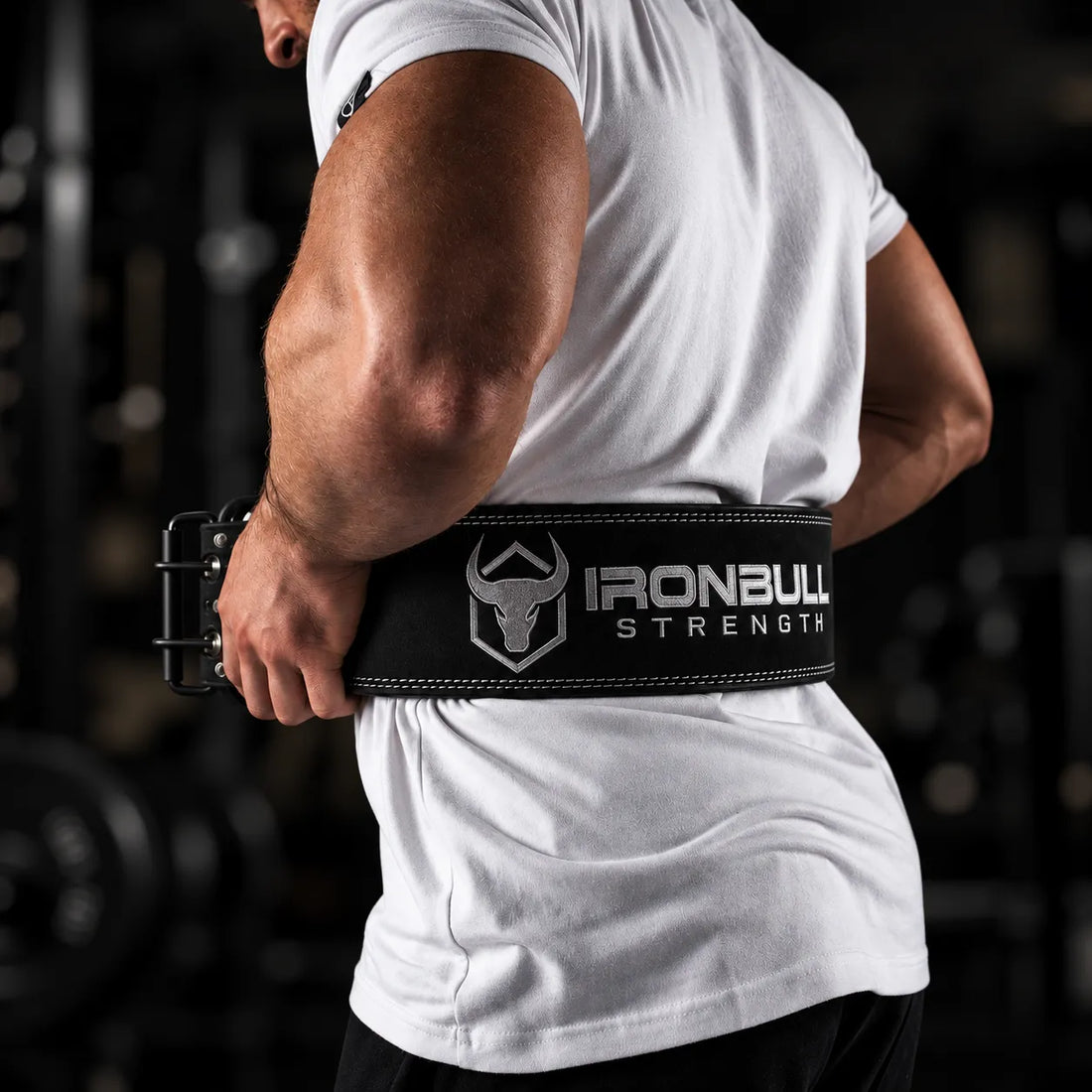
Start here
Pick by How You Train
We make a lot of belts. These are the four we'd point most lifters to.
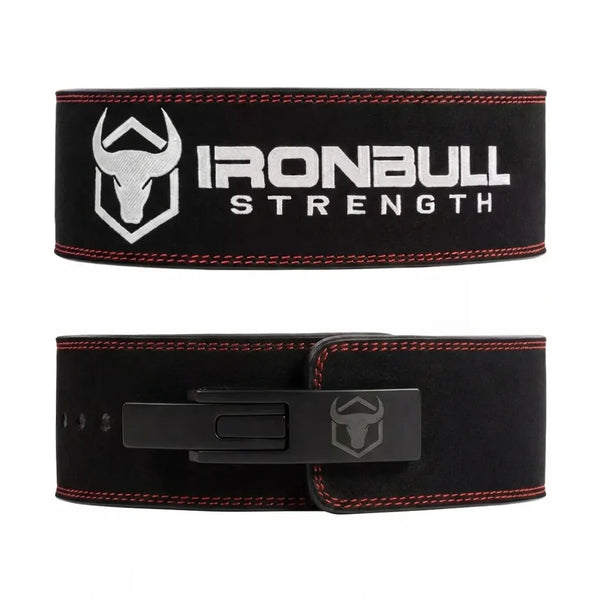
Most lifters
10mm Lever Belt
Stiff enough for heavy squats and deadlifts, quick to lock and release, and comfortable within a few weeks.
- 10mm
- Lever
$70$100
Shop
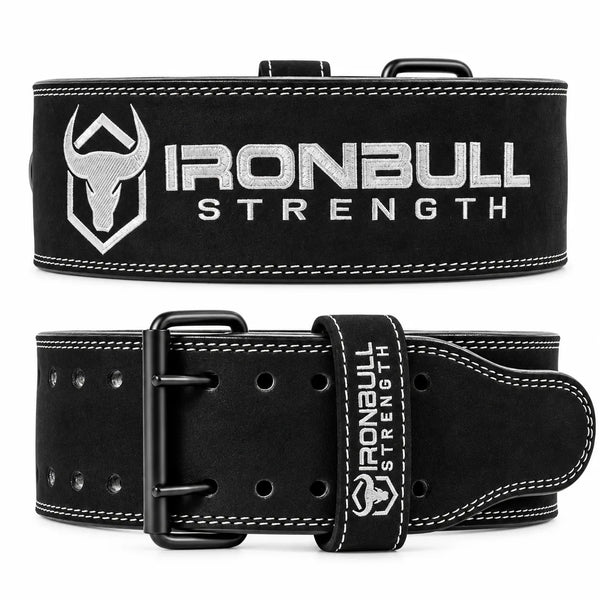
Adjust between lifts · Compete
10mm Double Prong Belt
10mm leather you can move a hole tighter for squats and looser for pulls. IPF-approved, so it's meet-ready.
- 10mm
- 4"
- Double prong
- IPF
$125
Shop
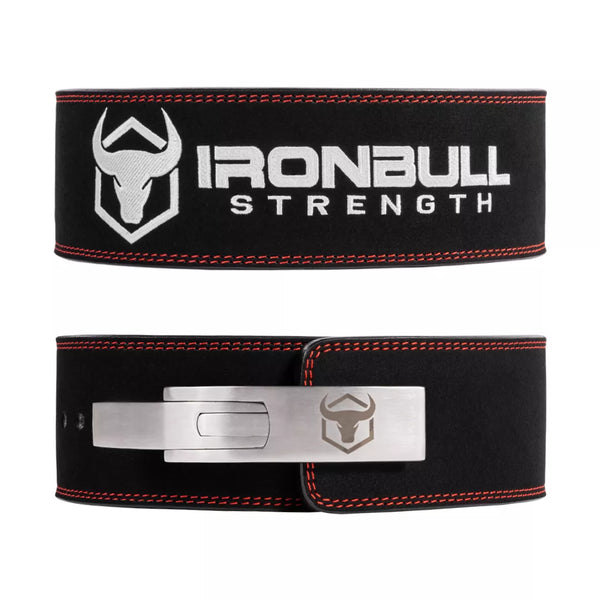
Maximum stiffness
Pro 13mm 4" Lever Belt
The most to brace against on heavy singles. Built for experienced lifters. Expect a longer break-in.
- 13mm
- 4"
- Lever
$195
Shop

Olympic lifts · High reps · New to belts
4.5" Performance Nylon Lifting Belt
Light and flexible, so it moves with you through catches and fast reps. The easiest belt to start with.
- Nylon
- 4.5"
- Hook-and-loop
$50
Shop
Want to see every option? Browse all lifting belts.
New to Belts, or Looking for Back Support?
A lifting belt isn't a treatment for back pain. If your back hurts, see a medical professional before you train heavy.
Never used a belt? Learn to brace without one first, then add a belt for your heaviest sets. A flexible nylon belt is the easiest place to start.
Step 1
Pick Your Buckle
The buckle decides how fast the belt goes on and off, and whether you can change the fit between lifts.
Lever
A metal lever locks the belt at a set tightness and releases with one flip.
- Best for
- Heavy squats and deadlifts, and lifters who want the same fit every set.
- Trade-off
- Changing the size means unscrewing the lever.
Prong
A classic buckle with one or two prongs through a row of holes.
- Best for
- Changing the fit between lifts, or as your waist changes.
- Trade-off
- A few seconds slower to buckle, especially tight.
Nylon
A hook-and-loop closure on a lighter, flexible band.
- Best for
- Olympic lifts, high reps, conditioning, and a first belt.
- Trade-off
- Not as stiff as leather under max loads.
Step 2
Thickness & Width
Thicker belts are stiffer and give you more to brace against, but take longer to break in. Width decides how much of your torso the belt covers.
Thickness
Not sure? Read 10mm vs 13mm: which is best for you.
Width
Competing? IPF rules cap a belt at 10cm (about 4 inches) wide and 13mm thick. Check your federation's current rulebook before meet day.
Step 3
Get the Size Right
Belts are sized by your waist, not your pants size. Two minutes with a tape measure saves you an exchange.
1
Wear what you lift in.Measure over your training shirt and shorts, not bare skin.
2
Measure where the belt sits.Wrap the tape around your waist at belly-button height, level all the way around. Not your pants size.
3
Match it to the chart.Each belt has its own size chart on its product page. Wrong size? Exchanges are free.
How tight should it be?
Snug, not crushing. Before you brace, you should be able to slide a flat hand between the belt and your stomach. Take a big breath, push your stomach out into the belt, and lift.
After you buy
Wear It Right
Save it for heavy sets
Warm up without it, then put it on for your working sets.
Brace into it
Breathe into your belly and push out against the belt in every direction.
Break it in
Leather softens with use. Roll it and wear it on lighter sets for the first few weeks.
Lifting Belt FAQ
Do I need a lifting belt?
Not for most of your training. A belt helps on heavy compound sets, like squats and deadlifts, by giving your core something to brace against. Learn to brace without one first, then add a belt for your heaviest working sets.
Lever or prong: which is better?
Neither is stronger. A lever locks to the same tightness every time and releases in one motion. A prong lets you change the fit hole by hole between lifts. Pick the lever for speed and consistency, the prong for adjustability.
Should I get 10mm or 13mm?
10mm suits most lifters: stiff enough for heavy training and comfortable after a short break-in. 13mm is stiffer and takes longer to break in. It suits experienced lifters chasing max singles.
Will a lifting belt help my back pain?
A belt isn't a treatment for back pain. If your back hurts, see a medical professional before you train heavy. Belts are for lifters who are already training heavy with good technique and want something to brace against.
How tight should a lifting belt be?
Snug, but loose enough that you can slide a flat hand between the belt and your stomach before you brace. You need room to breathe in and push your stomach out against it.
Where should the belt sit?
Around your waist, roughly at belly-button height, between your lowest ribs and your hip bones. Small adjustments up or down per lift are normal, as long as it doesn't dig in.
How long does a leather belt take to break in?
Usually a few weeks of regular training. Thicker belts take longer. Rolling the belt and wearing it on lighter sets speeds things up.
Which belts are IPF-approved?
See our IPF Approved Belts collection. Always check your federation's current rules before a meet.
What size belt should I get?
Measure your waist where the belt sits, over the clothes you train in, and match it to the size chart on the belt's page. Your pants size isn't a reliable guide. If it doesn't fit, exchanges are free.
Still Not Sure?
Take the 60-second belt quiz, or pair your belt with sleeves and wraps and save up to 30%.